

Aswa-Lolim Game Reserve is one of Uganda’s largest yet least explored wildlife conservation areas. Located in northern Uganda, this vast protected landscape offers tourists an authentic wilderness experience characterised by expansive Savannah plains, diverse wildlife habitats, rich birdlife, and breathtaking natural scenery. Although it does not receive as many visitors as Uganda’s famous national parks, Aswa-Lolim Game Reserve remains an important conservation area and a hidden gem for tourists seeking off-the-beaten-track safari adventures.
The reserve forms part of Uganda’s northern tourism circuit and contributes significantly to biodiversity conservation, wildlife protection, and sustainable tourism development. For tourists interested in wildlife safaris, birdwatching, nature photography, and cultural encounters, Aswa-Lolim Game Reserve presents a unique opportunity to experience Uganda’s untamed wilderness.
Location and Overview of Aswa-Lolim Game Reserve
Aswa-Lolim Game Reserve is situated in northern Uganda, stretching across parts of the Acholi and Lango sub-regions. The reserve lies between the Aswa River and the Lolim River, from which it derives its name. Covering approximately 1,500 square kilometres, it is among the largest game reserves in Uganda.
The reserve borders several districts, including Gulu, Pader, Kitgum, Agago, and Amuru. Its strategic location within northern Uganda makes it an important ecological corridor connecting various wildlife habitats and supporting biodiversity conservation efforts.
Managed by the Uganda Wildlife Authority, the reserve plays a crucial role in preserving natural ecosystems and promoting eco-tourism in the region.
History of Aswa-Lolim Game Reserve
Aswa-Lolim Game Reserve was established during the colonial era as part of Uganda’s broader wildlife conservation strategy. The area was designated to protect wildlife populations and preserve important natural habitats found within northern Uganda.
Historically, the reserve supported large populations of elephants, buffaloes, antelopes, and predators. However, periods of political instability and increased poaching during the latter part of the twentieth century significantly affected wildlife numbers.
In recent years, conservation authorities have intensified efforts to restore wildlife populations, strengthen habitat protection, and encourage sustainable tourism development. These initiatives have helped improve the ecological health of the reserve and renewed interest in its tourism potential.
Landscape and Natural Environment
One of the most striking features of Aswa-Lolim Game Reserve is its diverse landscape. The reserve is characterised by rolling savannah grasslands, open woodlands, seasonal wetlands, river valleys, and scattered acacia vegetation.
The Aswa and Lolim rivers provide important water sources for wildlife and create fertile ecosystems that support a wide range of plant and animal species. During the rainy season, the reserve transforms into a lush green wilderness, while the dry season reveals expansive golden grasslands that are ideal for wildlife viewing.
The reserve’s relatively untouched environment offers tourists a genuine African safari experience, free from large crowds and excessive development.
Wildlife in Aswa-Lolim Game Reserve
Aswa-Lolim Game Reserve supports a variety of wildlife species that thrive within its diverse habitats. While animal populations are still recovering from historical challenges, the reserve remains home to several fascinating species.
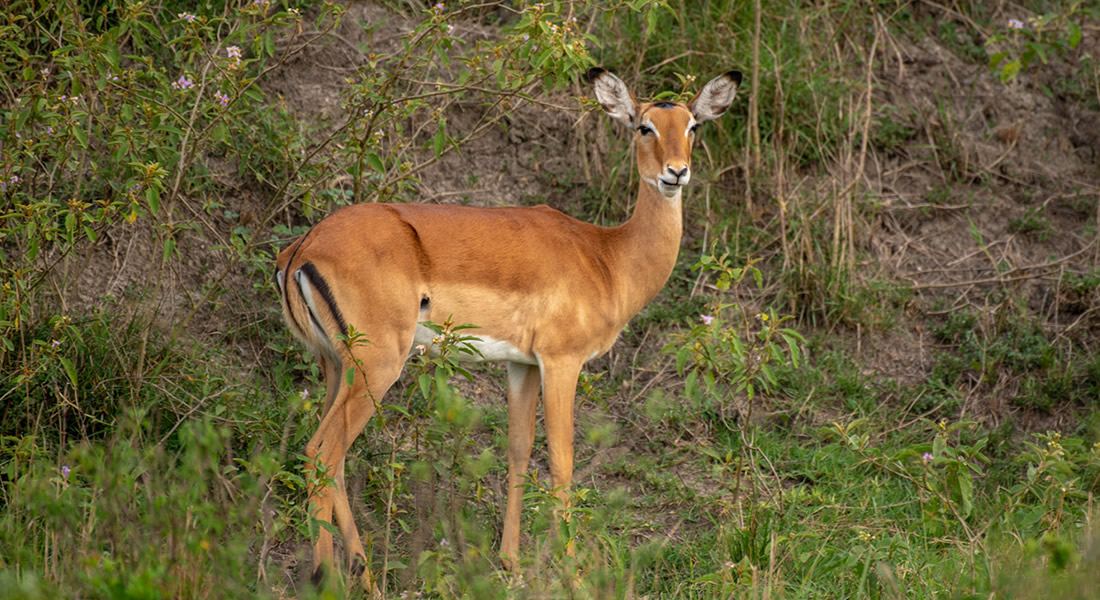
Tourists may encounter Uganda kob, bushbuck, waterbuck, oribi, reedbuck, warthog, and duiker. Primates such as olive baboons and vervet monkeys are also commonly seen throughout the reserve.
Larger mammals including buffaloes and elephants occasionally move through parts of the reserve, particularly in areas connected to wider wildlife corridors. Smaller carnivores, reptiles, and numerous insect species contribute to the reserve’s ecological diversity.
Wildlife enthusiasts appreciate the opportunity to observe animals in a natural setting with minimal disturbance from tourism activities.
Birdwatching in Aswa-Lolim Game Reserve
Birdwatching is among the most rewarding activities available in Aswa-Lolim Game Reserve. The combination of river systems, wetlands, grasslands, and woodland habitats supports an impressive variety of bird species.
Tourists can observe species such as the African fish eagle, secretary bird, Abyssinian ground hornbill, black-headed gonolek, grey crowned crane, saddle-billed stork, marabou stork, and various kingfishers. The reserve also attracts migratory birds during certain times of the year.
The peaceful environment and relatively low visitor numbers make birdwatching particularly enjoyable. Both experienced ornithologists and casual bird enthusiasts can enjoy excellent birding opportunities throughout the reserve.
Safari Activities in Aswa-Lolim Game Reserve
Game Drives
Game drives provide tourists with the opportunity to explore the reserve’s vast wilderness while searching for wildlife. Early morning and late afternoon excursions often offer the best chances of observing animals when they are most active.
The open Savannah landscapes allow for extensive views across the reserve, enhancing wildlife spotting opportunities and photography experiences.
Guided Nature Walks
Walking safaris offer a more intimate experience of the reserve’s ecosystems. Accompanied by experienced guides, tourists can learn about local flora, animal tracks, medicinal plants, and ecological relationships within the environment.
Nature walks provide a deeper understanding of the reserve’s biodiversity and conservation importance.
Birding Excursions
Dedicated birdwatching tours are popular among visitors seeking to identify both resident and migratory bird species. Local guides often possess extensive knowledge of bird habitats and behaviours, enriching the overall experience.
Photography Safaris
The reserve’s scenic landscapes, wildlife encounters, dramatic skies, and seasonal transformations create excellent opportunities for wildlife and landscape photography. Photographers can capture unique images that showcase northern Uganda’s natural beauty.
Cultural Experiences Around Aswa-Lolim Game Reserve
The communities surrounding Aswa-Lolim Game Reserve offer rich cultural experiences that complement wildlife safaris. The Acholi and Lango people possess vibrant traditions, music, dance, storytelling, and craftsmanship that provide fascinating insights into northern Uganda’s cultural heritage.
Tourists can visit local villages, interact with community members, observe traditional performances, and learn about indigenous customs and lifestyles. These cultural encounters enhance the overall safari experience while supporting community-based tourism initiatives.
By participating in cultural tourism activities, visitors contribute directly to local economic development and conservation awareness.
Conservation Significance
Aswa-Lolim Game Reserve plays a critical role in preserving biodiversity within northern Uganda. Its extensive habitats support numerous wildlife species and provide ecological connectivity across the region.
The reserve contributes to watershed protection, climate regulation, and habitat preservation. Conservation programmes focus on anti-poaching efforts, habitat restoration, wildlife monitoring, and community engagement.
Partnerships between conservation organisations, government agencies, and local communities continue to strengthen wildlife protection and sustainable resource management within the reserve.
As Uganda seeks to expand its tourism offerings beyond its most famous parks, Aswa-Lolim Game Reserve is increasingly recognised as an important destination for eco-tourism and conservation-based tourism.
Best Time to Visit Aswa-Lolim Game Reserve
Tourists can visit Aswa-Lolim Game Reserve throughout the year, although the dry seasons generally provide the most favourable conditions for wildlife viewing.
The primary dry seasons occur between December and February and from June to September. During these periods, vegetation becomes less dense, and animals are more easily observed around water sources.
The rainy seasons, typically from March to May and October to November, bring lush vegetation, vibrant scenery, and excellent birdwatching opportunities. Nature photographers often appreciate the dramatic landscapes created during these months.
Accommodation Options
Accommodation within the reserve itself remains limited due to its remote and undeveloped nature. However, tourists can find suitable lodging in nearby towns such as Gulu and Kitgum.
Options range from budget guesthouses and mid-range lodges to more upscale hotels. Many tour operators organise complete safari packages that include transportation, accommodation, meals, and guided activities, ensuring a comfortable and well-planned visit.
As tourism infrastructure continues to develop in northern Uganda, additional accommodation facilities may emerge closer to the reserve.
Why Visit Aswa-Lolim Game Reserve?
Aswa-Lolim Game Reserve offers tourists an opportunity to experience one of Uganda’s most authentic wilderness destinations. Its vast landscapes, diverse wildlife, excellent birdwatching, rich cultural heritage, and conservation significance make it a rewarding safari destination.
Unlike some of Uganda’s more popular parks, the reserve provides a peaceful environment where visitors can connect with nature without large crowds. The combination of wildlife safaris, cultural experiences, photography opportunities, and ecological exploration creates a memorable adventure for nature lovers.
For tourists seeking an off-the-beaten-path Uganda safari, Aswa-Lolim Game Reserve represents a remarkable destination that showcases the natural beauty and conservation value of northern Uganda while supporting sustainable tourism and local communities.