

Kabwoya Wildlife Reserve is one of Uganda’s most compelling conservation areas, located in the western region along the eastern shores of Lake Albert. Known for its dramatic landscapes, rich biodiversity, and increasing popularity among safari enthusiasts, the reserve offers a quieter and more remote alternative to Uganda’s more crowded national parks. It is a key destination for wildlife safaris, bird watching tours, nature walks, and cultural experiences, making it a rising star in Uganda’s eco tourism sector.
Location and Accessibility
Kabwoya Wildlife Reserve lies within Hoima District in western Uganda, forming part of the broader Albertine Rift ecosystem. This location places it in a biologically rich corridor that connects several protected areas across Uganda and neighbouring countries. The reserve is approximately a few hours’ drive from Kampala, making it accessible for both short excursions and longer safari circuits.
Tourists typically reach the reserve by road, travelling through Hoima town before continuing towards the Lake Albert escarpment. The journey itself is scenic, offering views of rolling hills, rural landscapes, and the expansive western rift valley. The road network has improved in recent years, enhancing accessibility for safari vehicles and tour operators.
Landscape and Natural Environment
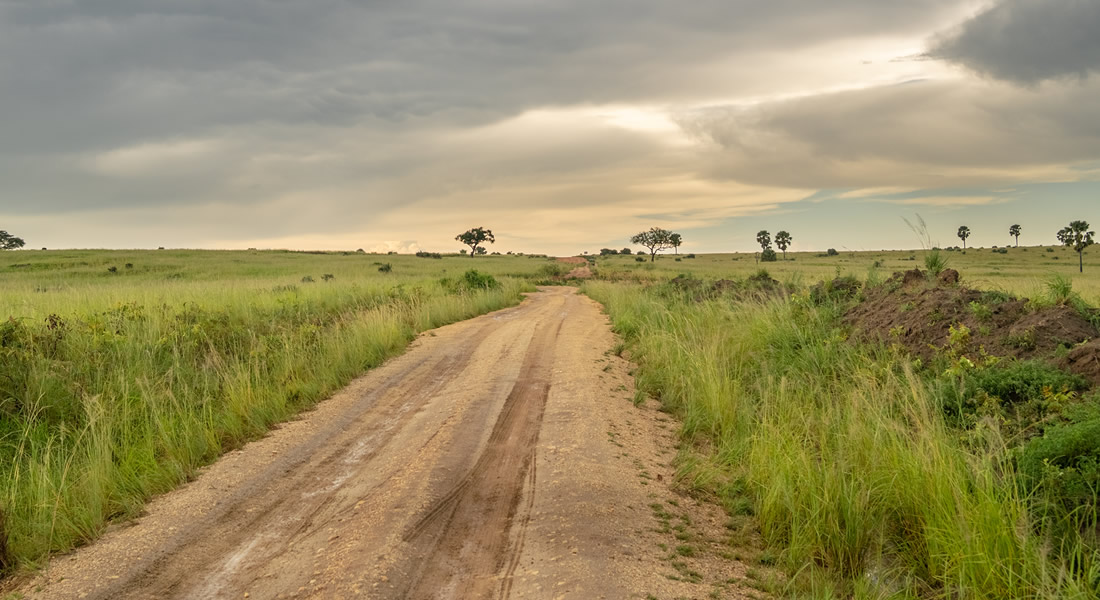
Kabwoya Wildlife Reserve is characterised by a striking mix of Savannah plains, woodland areas, and dramatic escarpments overlooking Lake Albert. This combination of terrain creates a unique ecological setting that supports a wide variety of plant and animal life.
The reserve lies within the Albertine Rift, one of Africa’s most important biodiversity hotspots. The landscape includes open grasslands ideal for grazing wildlife, bushy thickets that provide cover for smaller species, and riverine habitats that attract birds and mammals alike. The proximity to Lake Albert further enriches the ecosystem, supporting aquatic life and influencing local climate conditions.
Wildlife in Kabwoya Wildlife Reserve
Wildlife viewing is one of the main attractions of Kabwoya Wildlife Reserve. The area is home to a growing population of mammals, reptiles, and bird species. Although not as densely populated with large predators as some of Uganda’s national parks, it offers a rewarding safari experience focused on plains game and scenic wildlife encounters.
Commonly sighted animals include Uganda kobs, waterbucks, warthogs, oribis, and bushbucks. The reserve is also known for hosting Rothschild’s giraffes, which have been reintroduced to support conservation efforts. Predators such as lions and leopards are less frequently seen but are occasionally reported in surrounding conservation landscapes.
Birdlife is particularly impressive, making Kabwoya Wildlife Reserve a strong destination for bird watching in Uganda. Species include the African fish eagle, grey crowned crane, black-headed gonolek, and various migratory birds that visit seasonally. The presence of Lake Albert enhances bird diversity, especially for water associated species.
Safari Activities and Experiences
Kabwoya Wildlife Reserve offers a variety of safari experiences tailored to tourists seeking both adventure and tranquillity. Game drives are the most popular activity, allowing visitors to explore the reserve’s open Savannah in search of wildlife. Early morning and late afternoon drives are particularly rewarding due to increased animal activity and favourable lighting conditions.
Guided nature walks are another highlight, offering a closer and more immersive experience of the ecosystem. These walks allow tourists to learn about smaller wildlife, medicinal plants, and the ecological balance of the reserve. Trained guides provide insights into animal behaviour, local conservation efforts, and the cultural significance of the surrounding landscape.
Bird watching safaris are increasingly popular, especially among international tourists interested in Uganda’s avian diversity. The combination of savannah and lake environments creates ideal conditions for spotting a wide range of species.
Boat related experiences on nearby sections of Lake Albert can also be arranged through tour operators, offering views of fishing communities and aquatic birdlife along the shoreline.
Conservation and Environmental Importance
Kabwoya Wildlife Reserve plays an important role in Uganda’s conservation strategy. Managed under the Uganda Wildlife Authority, the reserve contributes to the protection of biodiversity within the Albertine Rift region. Conservation efforts focus on habitat protection, anti poaching initiatives, and community engagement programmes.
One of the key goals of the reserve is to restore and maintain wildlife populations that were previously affected by human activity and habitat loss. Reintroduction programmes and natural regeneration have supported gradual ecological recovery. The presence of species such as giraffes highlights the success of these conservation initiatives.
Community involvement is also central to the reserve’s management. Local communities are engaged in eco tourism activities, employment opportunities, and conservation education. This approach helps to reduce human wildlife conflict while ensuring that tourism benefits are shared locally.
Accommodation and Safari Lodges
Accommodation around Kabwoya Wildlife Reserve ranges from mid range safari lodges to eco friendly camps that blend with the natural environment. These facilities are designed to support sustainable tourism while offering comfort and scenic views.
Most lodges are located near the reserve boundaries or along the Lake Albert escarpment, providing panoramic views of the landscape. Tourists can expect amenities such as private bandas, tented camps, guided safari packages, and locally inspired cuisine.
Camping is also an option for adventurous tourists who prefer a more immersive wilderness experience. Night stays in the reserve area offer opportunities for stargazing and listening to nocturnal wildlife sounds.
Best Time to Visit Kabwoya Wildlife Reserve
The best time to visit Kabwoya Wildlife Reserve is during the dry seasons, typically from December to February and June to August. During these months, wildlife is easier to spot as animals gather around water sources and vegetation is less dense.
The wet seasons, while more challenging for game drives due to slippery tracks, offer lush green scenery and excellent bird watching opportunities. Migratory bird species are more prevalent during this period, making it ideal for ornithologists and nature photographers.
Cultural Experiences Around the Reserve
Tourists visiting Kabwoya Wildlife Reserve also have the opportunity to engage with local communities in Hoima and surrounding areas. Cultural tours often include visits to traditional homesteads, storytelling sessions, and demonstrations of local crafts.
The cultural richness of western Uganda adds depth to the safari experience, allowing tourists to understand the relationship between people and nature in this region. Music, dance, and culinary traditions provide further insight into the heritage of the local population.
Why Visit Kabwoya Wildlife Reserve
Kabwoya Wildlife Reserve stands out as a peaceful and less commercialised safari destination in Uganda. It offers a combination of wildlife viewing, bird watching, scenic landscapes, and cultural interaction without the crowds found in more established parks.
For tourists seeking authentic safari experiences in Uganda, the reserve provides a perfect balance of adventure and relaxation. Its location along Lake Albert, diverse ecosystems, and ongoing conservation efforts make it an important stop on any Uganda wildlife safari itinerary.
Kabwoya Wildlife Reserve is an emerging gem in Uganda’s tourism landscape. Its rich biodiversity, striking scenery, and growing reputation as a conservation area make it a valuable destination for eco tourism. Whether exploring its Savannah plains on a game drive, observing birds along the lake shores, or engaging with local communities, tourists are guaranteed a rewarding and memorable experience.
As Uganda continues to develop its wildlife tourism sector, Kabwoya Wildlife Reserve is set to play an increasingly important role in attracting nature lovers and safari enthusiasts from around the world.