

Ajai Game Reserve is one of Uganda’s lesser-known wildlife destinations, offering tourists a peaceful and authentic safari experience away from the crowds. Located in north-western Uganda near the border with South Sudan, the reserve is renowned for its rich biodiversity, scenic landscapes, and historical significance. Although it is not as famous as Uganda’s larger national parks, Ajai Game Reserve remains an important conservation area that attracts nature lovers, birdwatchers, and wildlife enthusiasts seeking a unique safari adventure.
Ajai Game Reserve lies in the West Nile sub-region of Uganda, primarily within Arua District. Covering approximately 166 square kilometres, the reserve was established in 1965 to protect the white rhinoceros population that once thrived in the area. The reserve was named after Ajai, a local chief who played a significant role in preserving wildlife and natural habitats in the region.
The reserve is managed by the Uganda Wildlife Authority and serves as an important conservation area for several wildlife species. Its location along the White Nile basin contributes to its diverse ecosystems, including Savannah grasslands, wetlands, woodlands, and riverine forests.
Location and Accessibility
Ajai Game Reserve is situated approximately 40 kilometres south-east of Arua, making it easily accessible from the city. Tourists travelling from Kampala can reach the reserve by road, a journey that takes between six and eight hours depending on road conditions. Domestic flights to Arua followed by a short road transfer offer a quicker option for visitors seeking convenience.
The reserve’s proximity to the White Nile and neighbouring communities provides opportunities for cultural interactions and exploration of the broader West Nile tourism circuit.
History of Ajai Game Reserve
Ajai Game Reserve has a fascinating conservation history. During the mid-twentieth century, the reserve was home to one of Uganda’s most significant populations of northern white rhinoceroses. Conservation efforts were initially focused on protecting these magnificent animals from poaching and habitat loss.
Unfortunately, increased poaching during periods of political instability led to the disappearance of rhinos from the reserve. Despite this setback, Ajai Game Reserve continues to play a crucial role in wildlife conservation and habitat protection. Recent discussions and conservation initiatives have focused on restoring wildlife populations and improving ecological management within the reserve.
Wildlife in Ajai Game Reserve
One of the main attractions of Ajai Game Reserve is its diverse wildlife. Although large mammal populations are lower than those found in Uganda’s major national parks, tourists can still encounter a variety of fascinating species.
Common wildlife species include Uganda kob, bushbuck, warthog, oribi, duiker, and waterbuck. The reserve is also home to olive baboons, vervet monkeys, and several small carnivores. Reptiles such as monitor lizards and various snake species inhabit the wetlands and woodland areas.
The reserve’s natural habitats support healthy populations of these animals, making wildlife viewing both rewarding and educational for tourists interested in Uganda’s lesser-explored conservation areas.
Birdwatching in Ajai Game Reserve
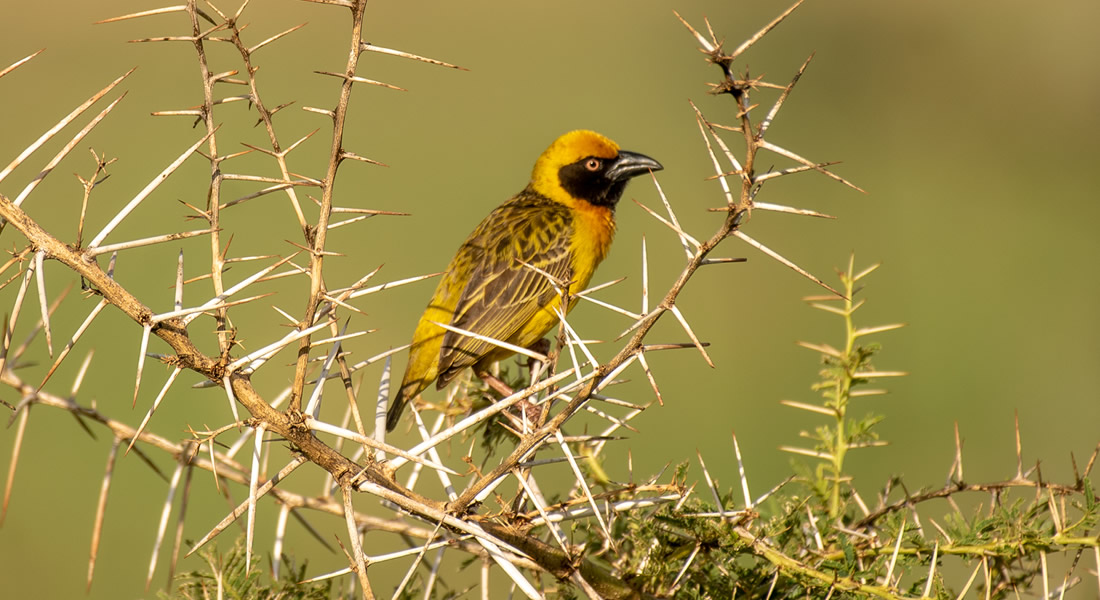
Birdwatching is among the most rewarding activities in Ajai Game Reserve. The reserve’s combination of wetlands, grasslands, and woodland habitats provides ideal conditions for numerous bird species.
Bird enthusiasts can spot species such as the African fish eagle, grey crowned crane, black-headed gonolek, Abyssinian ground hornbill, saddle-billed stork, African jacana, and various kingfishers. Seasonal migratory birds also visit the reserve, adding to its appeal for birdwatchers throughout the year.
The relatively undisturbed environment allows tourists to enjoy birdwatching in a peaceful setting while observing species that may be difficult to find elsewhere.
Scenic Landscapes and Natural Beauty
Ajai Game Reserve boasts impressive natural scenery characterised by open grasslands, seasonal wetlands, woodland vegetation, and riverine ecosystems. The reserve’s landscape changes throughout the year, creating diverse photographic opportunities for tourists.
During the rainy season, lush green vegetation transforms the reserve into a vibrant wildlife habitat. In the dry season, wildlife congregates around remaining water sources, making animal sightings easier.
The expansive views across the savannah and wetlands create a tranquil atmosphere that appeals to nature photographers and eco-tourists seeking an authentic African wilderness experience.
Safari Activities in Ajai Game Reserve
Game Drives
Game drives are among the most popular activities within the reserve. Guided excursions allow tourists to explore various sections of the protected area while searching for wildlife. Early morning and late afternoon drives typically provide the best opportunities for animal sightings.
Birding Safaris
Specialised birdwatching excursions are highly recommended due to the reserve’s rich avian diversity. Experienced guides help visitors identify resident and migratory bird species while providing insights into their behaviours and habitats.
Nature Walks
Guided nature walks offer a closer look at the reserve’s flora and fauna. These walks allow tourists to appreciate smaller wildlife species, medicinal plants, insects, and ecological processes that may be overlooked during vehicle-based safaris.
Photography Tours
The reserve’s scenic landscapes and wildlife make it an excellent destination for photography enthusiasts. Photographers can capture stunning images of birds, mammals, wetlands, and dramatic sunsets across the savannah.
Community Tourism Around Ajai Game Reserve
One of the unique aspects of visiting Ajai Game Reserve is the opportunity to engage with local communities in the West Nile region. Cultural tourism experiences allow visitors to learn about traditional lifestyles, local crafts, music, dance, and agricultural practices.
Community-based tourism initiatives help generate income for local residents while promoting wildlife conservation awareness. Tourists can gain valuable insights into the cultural heritage of the region while supporting sustainable tourism development.
Conservation Importance
Ajai Game Reserve plays a vital role in preserving biodiversity in north-western Uganda. The reserve protects important habitats that support wildlife populations and maintain ecological balance.
Conservation efforts focus on habitat restoration, anti-poaching initiatives, community engagement, and sustainable resource management. These measures aim to ensure that future generations can continue to enjoy the reserve’s natural beauty and wildlife resources.
The reserve also serves as an ecological corridor within the broader West Nile landscape, supporting species movement and genetic diversity.
Best Time to Visit Ajai Game Reserve
Ajai Game Reserve can be visited throughout the year, but the dry seasons generally offer the best wildlife viewing opportunities. The main dry periods occur between December and February and from June to September.
During these months, vegetation is less dense, making it easier for tourists to spot animals. Roads and trails are also more accessible.
The rainy seasons, typically occurring from March to May and October to November, bring lush scenery and increased bird activity. Birdwatchers often prefer these periods due to the presence of migratory species and abundant breeding activity.
Accommodation Near Ajai Game Reserve
While accommodation options within the reserve itself are limited, tourists can find comfortable lodging in and around Arua. Options range from budget guesthouses to luxury hotels, allowing visitors to select accommodation that suits their preferences and budgets.
Many safari operators include accommodation arrangements as part of their tour packages, making travel planning convenient for tourists exploring the West Nile region.
Why Visit Ajai Game Reserve?
Ajai Game Reserve offers an opportunity to experience Uganda’s wildlife and natural beauty away from the more crowded safari destinations. Its rich birdlife, diverse habitats, fascinating conservation history, and peaceful environment make it an attractive destination for eco-tourism.
Tourists seeking authentic wildlife encounters, birdwatching adventures, cultural experiences, and scenic landscapes will find Ajai Game Reserve a rewarding addition to their Uganda safari itinerary. As conservation efforts continue to strengthen the reserve’s ecological value, Ajai Game Reserve remains one of Uganda’s hidden gems, providing memorable experiences for nature lovers and contributing to the protection of the country’s unique biodiversity.