

Uganda is widely celebrated for its incredible wildlife, breathtaking landscapes, and primate adventures, but beyond its natural wonders lies a rich and diverse cultural heritage that offers tourists an equally rewarding experience. Cultural Expeditions in Uganda provide an opportunity to explore the traditions, customs, history, and lifestyles of the country’s many ethnic communities. With more than 50 indigenous tribes, each possessing unique languages, music, dance, cuisine, and cultural practices, Uganda is one of Africa’s most culturally diverse nations.
For tourists seeking authentic and meaningful experiences, cultural tours in Uganda offer a deeper understanding of the country’s identity and heritage. From visiting ancient kingdoms and royal palaces to engaging with local communities and participating in traditional ceremonies, cultural expeditions reveal a fascinating side of Uganda that complements its renowned wildlife safaris. These experiences allow tourists to connect with local people, learn about traditional ways of life, and gain valuable insights into Uganda’s vibrant cultural landscape.
Why Choose Cultural Expeditions in Uganda?
Cultural tourism in Uganda has become increasingly popular as tourists look for experiences that go beyond traditional sightseeing. Cultural expeditions provide opportunities to interact directly with local communities and gain first-hand knowledge of customs that have been preserved for generations.
Unlike many destinations where culture is primarily showcased in museums, Uganda offers living cultures that continue to thrive in daily life. Traditional dances, storytelling, craftsmanship, farming practices, and community celebrations remain integral parts of society. This authenticity makes cultural tours highly engaging and memorable.
Additionally, cultural tourism contributes to sustainable development by creating income opportunities for local communities and encouraging the preservation of cultural heritage. Tourists who participate in cultural activities directly support community projects and help maintain traditional practices for future generations.
Uganda’s Diverse Ethnic Heritage
Uganda’s cultural richness stems from its remarkable ethnic diversity. The country is home to numerous ethnic groups spread across different regions, each with distinct traditions and identities.
The Baganda people of central Uganda represent the largest ethnic group and are known for the powerful Buganda Kingdom. In western Uganda, the Banyankole are famous for their long-horned Ankole cattle and pastoral traditions. The Basoga inhabit eastern Uganda, while the Acholi, Langi, and Alur communities are prominent in northern Uganda.
The eastern highlands are home to the Bagisu, known for their traditional circumcision ceremonies, while the Karamojong of north-eastern Uganda maintain a semi-nomadic pastoral lifestyle. In south-western Uganda, the Batwa people preserve traditions linked to their historical forest-dwelling heritage.
Each community contributes unique cultural experiences that enrich Uganda’s tourism offerings.
Exploring the Kingdoms of Uganda
One of the highlights of cultural expeditions in Uganda is the opportunity to explore the country’s traditional kingdoms. These cultural institutions continue to play important roles in preserving heritage and promoting community identity.
The Buganda Kingdom
The Buganda Kingdom is the largest and most influential traditional kingdom in Uganda. Located in central Uganda, it has a rich history dating back several centuries. Tourists visiting the kingdom can explore historical and cultural sites that provide insight into Buganda’s royal heritage.
The famous Kasubi Tombs serve as the burial grounds for Buganda kings and represent one of Uganda’s most important cultural landmarks. The royal palace, known as Lubiri Palace, and the traditional parliament building, known as the Bulange, also attract visitors interested in Buganda history.
The Bunyoro Kingdom
The historic Bunyoro Kingdom in western Uganda is another fascinating destination for cultural tourists. Once one of the most powerful kingdoms in East Africa, Bunyoro possesses a rich heritage reflected in its royal traditions, ceremonies, and cultural sites.
Tourists can learn about ancient leadership systems, traditional beliefs, and the kingdom’s role in Uganda’s history.
The Tooro Kingdom
The Tooro Kingdom, located near Fort Portal, offers a blend of royal history and scenic beauty. Cultural visits often include the royal palace and interactions with community members who share stories about the kingdom’s traditions and development.
Traditional Music, Dance and Drama
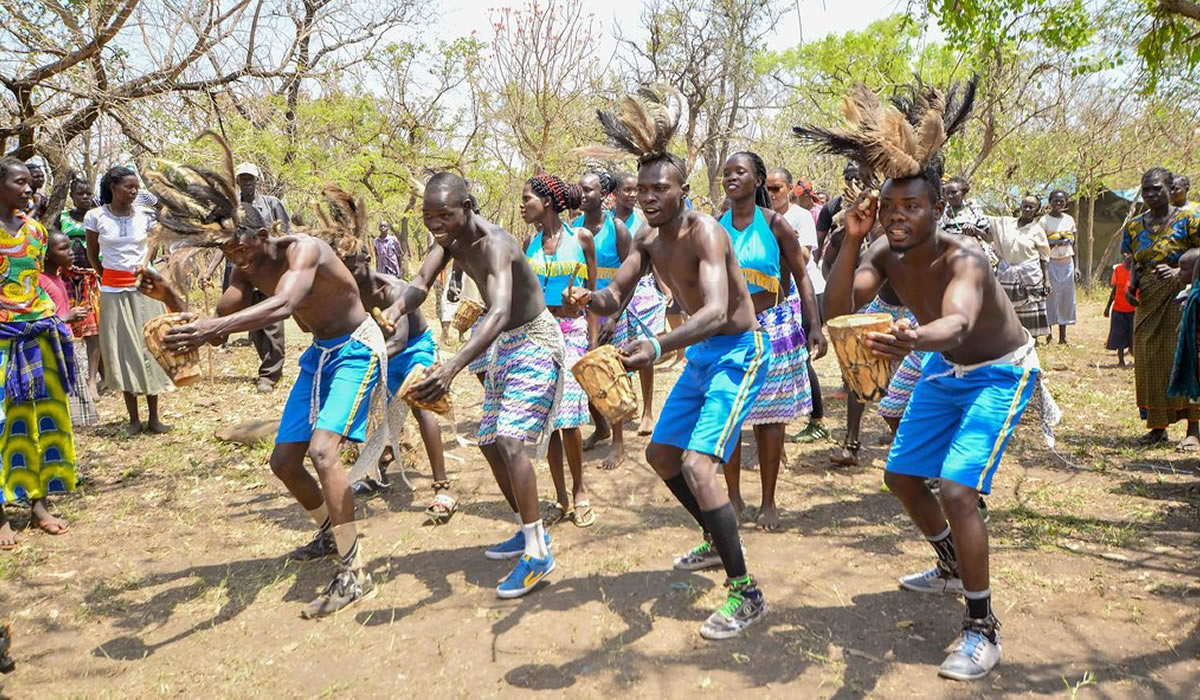
Music and dance form an essential part of Uganda’s cultural identity. Across the country, different communities use traditional performances to celebrate important events, tell stories, and preserve cultural values.
Tourists participating in cultural expeditions often enjoy energetic dance performances accompanied by drums, xylophones, flutes, and other traditional instruments. The rhythmic dances of the Baganda, the vibrant performances of the Banyankole, and the energetic warrior dances of the Acholi provide unforgettable cultural experiences.
Many cultural centres and community groups offer interactive performances where tourists can learn traditional dance movements and gain a deeper appreciation for Uganda’s artistic heritage.
The Batwa Cultural Experience
Among Uganda’s most unique cultural encounters is the Batwa Cultural Experience. The Batwa are indigenous people who historically lived within the forests of south-western Uganda, particularly around Bwindi Impenetrable National Park and Mgahinga Gorilla National Park.
Following the establishment of protected conservation areas, the Batwa transitioned from a forest-based lifestyle to community settlements. Today, cultural tours allow tourists to learn about their traditional hunting techniques, medicinal plant knowledge, music, storytelling, and spiritual practices.
The Batwa Cultural Experience offers valuable insights into one of Africa’s oldest surviving indigenous cultures while supporting community development initiatives.
The Karamojong Cultural Experience
The Karamojong people of north-eastern Uganda offer a fascinating glimpse into traditional pastoral life. Their culture revolves around cattle keeping, which plays a central role in social status, wealth, and community identity.
Tourists visiting Karamoja can explore traditional homesteads known as manyattas, observe livestock management practices, and participate in cultural exchanges with local families. Traditional dances, crafts, and storytelling further enrich the experience.
The dramatic landscapes of the Karamoja region add to the appeal, creating a unique combination of cultural discovery and scenic exploration.
Cultural Crafts and Local Artisans
Uganda’s diverse cultures have produced a rich tradition of craftsmanship. Cultural expeditions often include visits to local artisans who create handmade products using skills passed down through generations.
Tourists can observe basket weaving, pottery making, bark cloth production, wood carving, jewellery creation, and textile weaving. These activities provide valuable insights into traditional craftsmanship while offering opportunities to purchase authentic souvenirs.
The production of bark cloth, particularly among the Baganda, is recognised internationally as an important cultural practice and represents one of Uganda’s most distinctive traditional crafts.
Traditional Cuisine and Culinary Experiences
Food plays an important role in cultural exploration. Uganda’s diverse communities prepare a wide variety of traditional dishes using locally sourced ingredients.
Tourists on cultural expeditions often have opportunities to sample popular foods such as matooke, millet bread, groundnut sauce, roasted meats, sweet potatoes, cassava, and fresh tropical fruits. Traditional cooking demonstrations allow visitors to learn about preparation techniques and the cultural significance of different meals.
These culinary experiences provide another avenue for understanding local traditions and lifestyles.
Community-Based Tourism Initiatives
Community-based tourism has become a significant component of cultural expeditions in Uganda. Many local communities have established tourism projects that allow tourists to experience daily life while contributing directly to community development.
Activities may include village walks, farm visits, storytelling sessions, traditional cooking classes, and participation in community events. These interactions create meaningful connections between tourists and local residents while generating sustainable income for communities.
Community tourism projects also encourage cultural preservation and environmental stewardship.
Combining Cultural Expeditions with Wildlife Safaris
One of the greatest advantages of cultural tourism in Uganda is its ability to complement traditional safari experiences. Many tourists combine cultural visits with gorilla trekking, chimpanzee tracking, wildlife game drives, birdwatching, and boat cruises.
For example, tourists visiting Bwindi Impenetrable National Park for gorilla trekking often include a Batwa cultural experience in their itinerary. Similarly, visitors exploring Queen Elizabeth National Park may combine wildlife viewing with community visits and traditional performances.
This combination creates a more comprehensive understanding of Uganda’s natural and cultural heritage.
Conservation Through Cultural Tourism
Cultural tourism contributes significantly to sustainable development and heritage conservation. Revenue generated from cultural activities helps support education, healthcare, infrastructure development, and community projects.
By providing economic value to cultural traditions, tourism encourages younger generations to preserve and celebrate their heritage. Cultural expeditions also promote cross-cultural understanding and foster appreciation for Uganda’s diverse communities.
These benefits make cultural tourism an important component of Uganda’s broader tourism industry.
Cultural expeditions in Uganda offer tourists a unique opportunity to explore the country’s rich heritage, diverse communities, and living traditions. From the royal history of ancient kingdoms and the vibrant rhythms of traditional music to the fascinating lifestyles of the Batwa and Karamojong people, Uganda provides countless opportunities for authentic cultural discovery.
Whether combined with wildlife safaris, gorilla trekking, birdwatching, or enjoyed as a dedicated cultural journey, these experiences reveal a deeper side of Uganda that extends far beyond its famous landscapes and wildlife. For tourists seeking meaningful encounters, genuine hospitality, and unforgettable cultural immersion, Uganda stands as one of Africa’s most rewarding destinations for cultural expeditions.