

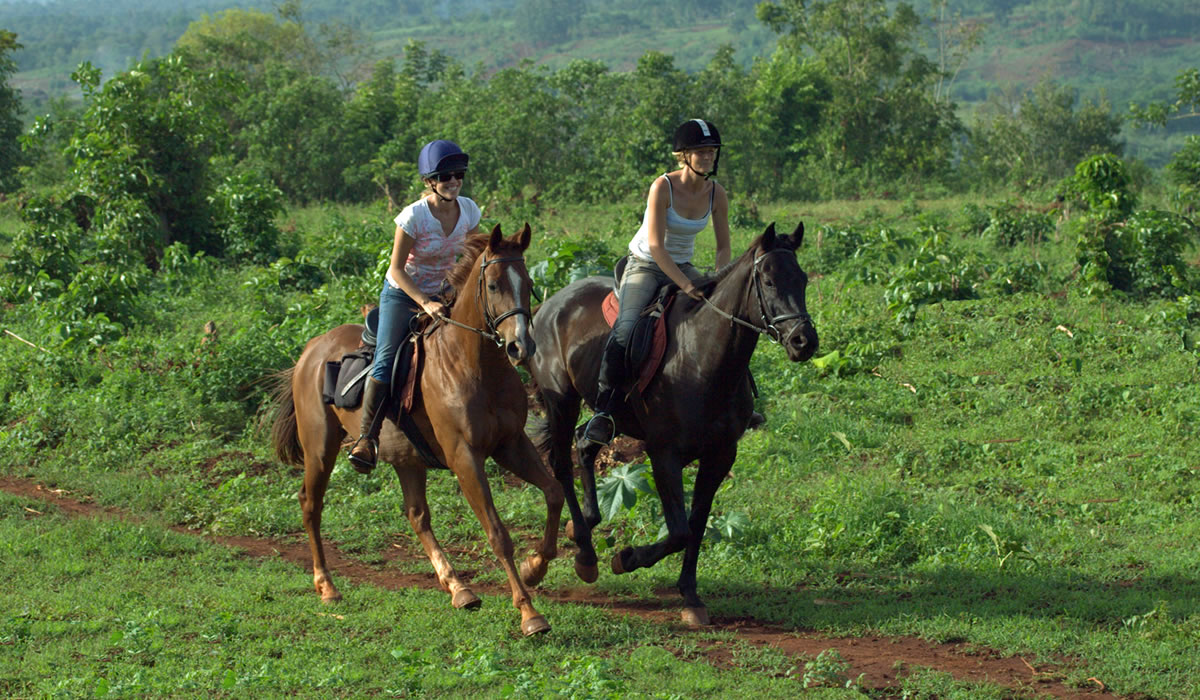
Horseback Riding in Lake Mburo National Park
Horseback Riding in Lake Mburo National Park is one of the most unique wildlife experiences in Uganda, offering tourists an opportunity to explore the Savannah landscape from a completely different perspective. Unlike conventional game drives conducted in safari vehicles, horseback safaris allow tourists to move quietly through the wilderness and approach wildlife more naturally, creating intimate encounters with animals and the environment.
Lake Mburo National Park is the only national park in Uganda where tourists can enjoy horseback riding safaris, making it a distinctive destination for adventure seekers, wildlife enthusiasts, photographers, and luxury safari tourists. Located conveniently between Kampala and southwestern Uganda’s major tourism circuit, the park has become a favourite stop for tourists travelling to gorilla trekking destinations while seeking additional wildlife experiences.
Horseback riding in Lake Mburo National Park combines adventure tourism, wildlife viewing, scenic landscapes, and eco tourism, making it one of Uganda’s hidden safari gems.
Overview of Horseback Riding in Lake Mburo National Park
Horseback riding safaris in Lake Mburo National Park provide tourists with guided excursions through open Savannah, woodland areas, rolling hills, lakeshores, and acacia landscapes while riding trained horses.
The experience is operated primarily around the park’s western section and surrounding conservation areas. Riders move through wildlife habitats where animals remain relatively calm because horses appear less intrusive than vehicles.
This creates opportunities for close wildlife encounters without disturbing the animals. Unlike game drives that follow designated tracks, horseback safaris allow access to narrower trails and hidden sections of the park, offering tourists a more immersive safari experience.
The activity caters to both experienced riders and beginners because guides match horses according to riding ability and comfort levels. Horseback riding has steadily gained popularity among tourists seeking luxury Uganda safaris and off the beaten path wildlife experiences.
Why Horseback Riding is Unique in Uganda
Lake Mburo National Park stands out as Uganda’s only protected area offering horseback wildlife safaris. The experience differs significantly from traditional safari activities because tourists explore silently without engine noise.
Animals often continue grazing naturally while riders pass nearby, creating exceptional photographic opportunities. The absence of safari vehicles allows tourists to feel more connected to nature while observing wildlife at ground level.
Horseback riding also provides an adventurous alternative to walking safaris and game drives. Many tourists describe the experience as one of the most authentic ways to appreciate Uganda’s Savannah ecosystem.
Because of its exclusivity, horseback riding has become a sought after activity in luxury safari packages and bespoke Uganda tours.
Wildlife Seen During Horseback Safaris
One of the greatest attractions of horseback riding in Lake Mburo National Park is the abundance of wildlife encountered along the trails.
The park hosts a rich variety of animals and is especially famous for species not easily found elsewhere in Uganda. Zebras are among the most common sightings and often appear in large herds across the grasslands. Riding alongside zebras is one of the most memorable experiences for tourists.
Other frequently observed animals include impalas, elands, buffaloes, topis, waterbucks, bushbucks, warthogs, and Uganda kobs. Lake Mburo National Park is the only national park in Uganda where impalas occur naturally, making them an important attraction.
Giraffes have also become increasingly common following successful conservation efforts. Birdlife remains abundant throughout the riding routes, adding further appeal for nature enthusiasts.
Because predators are relatively few compared to larger parks, horseback riding remains safe and manageable under professional guidance.
The Landscape and Scenery of Lake Mburo National Park
The scenery within Lake Mburo National Park contributes significantly to the horseback riding experience. The park covers approximately 370 square kilometres and consists of rolling hills, rocky outcrops, acacia woodland, open Savannah, seasonal wetlands, and lakes.
Its landscapes differ noticeably from many other Ugandan parks because of the extensive grasslands and scattered acacia trees that resemble classic East African safari scenery. Horseback riders often traverse elevated ridges offering panoramic views across valleys, lakes, and wildlife plains.
The park contains thirteen lakes connected by wetlands, with Lake Mburo being the largest. Early morning rides are particularly scenic because mist often settles over the Savannah while wildlife becomes active. Sunset rides provide equally spectacular views as golden light spreads across the landscape.
Duration and Types of Horseback Riding Experiences
Horseback riding safaris in Lake Mburo National Park cater to different preferences and schedules. Short rides lasting approximately one to two hours suit tourists with limited time or beginners wishing to sample the experience.
Half day excursions allow more extensive exploration and wildlife encounters. Full day rides are available for tourists seeking deeper immersion within the park. Some operators also provide multi day horseback adventures combined with overnight stays at safari lodges.
Sunrise rides remain particularly popular because temperatures are cooler and wildlife activity is highest. Evening rides attract photographers due to dramatic lighting conditions and beautiful sunsets.
The flexibility of these options makes horseback riding suitable for various Uganda safari itineraries.
Horseback Riding for Beginners and Experienced Riders
Horseback riding in Lake Mburo National Park accommodates tourists with different riding abilities. Beginners receive introductory guidance before the excursion begins.
Trained guides explain riding techniques, safety procedures, and how to interact with the horses. Calm and experienced horses are assigned to novice riders to ensure comfort and confidence.
Experienced riders can enjoy faster paced excursions and longer routes through open areas. The activity is therefore accessible to a broad range of tourists, including families, couples, photographers, and adventure enthusiasts.
Professional guides accompany every ride to ensure safety and enhance wildlife interpretation.
Bird Watching During Horseback Safaris
Lake Mburo National Park is also one of Uganda’s important birding destinations. The park supports more than 350 bird species, making horseback riding especially rewarding for bird enthusiasts.
Common sightings include African fish eagles, crested cranes, kingfishers, bee eaters, hornbills, herons, and cormorants. Wetland areas attract numerous water birds while acacia woodland supports Savannah species.
One of the park’s notable birds is the rare African finfoot, which occasionally appears near water bodies. Horseback safaris move quietly through habitats, allowing tourists to observe birds with minimal disturbance.
For bird photographers, this offers excellent opportunities for close observations.
Best Time for Horseback Riding in Lake Mburo National Park
Horseback riding is available throughout the year. However, the dry seasons remain the preferred periods for most tourists. The best months generally occur between June and September and from December to February.
During these periods, trails remain drier and easier to navigate. Wildlife viewing also improves because animals gather around water sources.
The rainy seasons from March to May and October to November bring greener scenery and fewer visitors. Although some trails may become muddy, the park remains accessible and visually attractive.
Birding conditions often improve during wetter months due to increased activity among migratory species.
What to Wear and Carry for Horseback Riding
Appropriate preparation improves comfort during horseback safaris. Tourists should wear long trousers to reduce friction while riding.
Comfortable closed shoes or riding boots are recommended. Lightweight clothing suitable for warm conditions works well, while neutral colours help blend into the environment.
Other useful items include sunglasses, hats, sunscreen, cameras, binoculars, and drinking water. Light jackets may be useful during early morning rides when temperatures are cooler. Photography equipment should be secured carefully because movement occurs throughout the excursion.
Combining Horseback Riding with Other Activities
Horseback riding is often combined with additional activities within Lake Mburo National Park. Game drives remain popular and provide opportunities to explore wider sections of the park. Boat cruises on Lake Mburo allow tourists to observe hippos, crocodiles, and aquatic birds.
Nature walks led by armed rangers offer close wildlife encounters on foot. Cycling safaris have also emerged as adventurous alternatives. Many tourists combine Lake Mburo visits with gorilla trekking safaris in Bwindi Impenetrable National Park or golden monkey tracking in Mgahinga Gorilla National Park.
Its strategic location along the route to southwestern Uganda makes the park an ideal stopover.
Conservation and Sustainable Tourism
Horseback riding supports eco tourism by offering low impact wildlife experiences. The activity reduces vehicle use within sensitive ecosystems and encourages responsible tourism practices.
Revenue generated through tourism contributes to conservation efforts and supports local communities surrounding the park. Lake Mburo National Park plays an important role in protecting wildlife populations and maintaining Savannah ecosystems within western Uganda.
Responsible tourism activities such as horseback safaris help strengthen these conservation initiatives.
Why Horseback Riding in Lake Mburo National Park is Worth Experiencing
Horseback riding in Lake Mburo National Park offers tourists an exceptional opportunity to explore Uganda’s wilderness in an intimate and adventurous way.
The experience combines wildlife viewing, scenic landscapes, bird watching, and eco tourism while providing close encounters with zebras, impalas, giraffes, and other animals.
For tourists planning Uganda wildlife safaris, luxury safari holidays, adventure tours in Uganda, or gorilla trekking itineraries, horseback riding in Lake Mburo National Park remains one of the country’s most distinctive safari activities.
Its exclusivity, natural beauty, and authentic wildlife experiences continue to attract tourists seeking something beyond traditional game drives.