

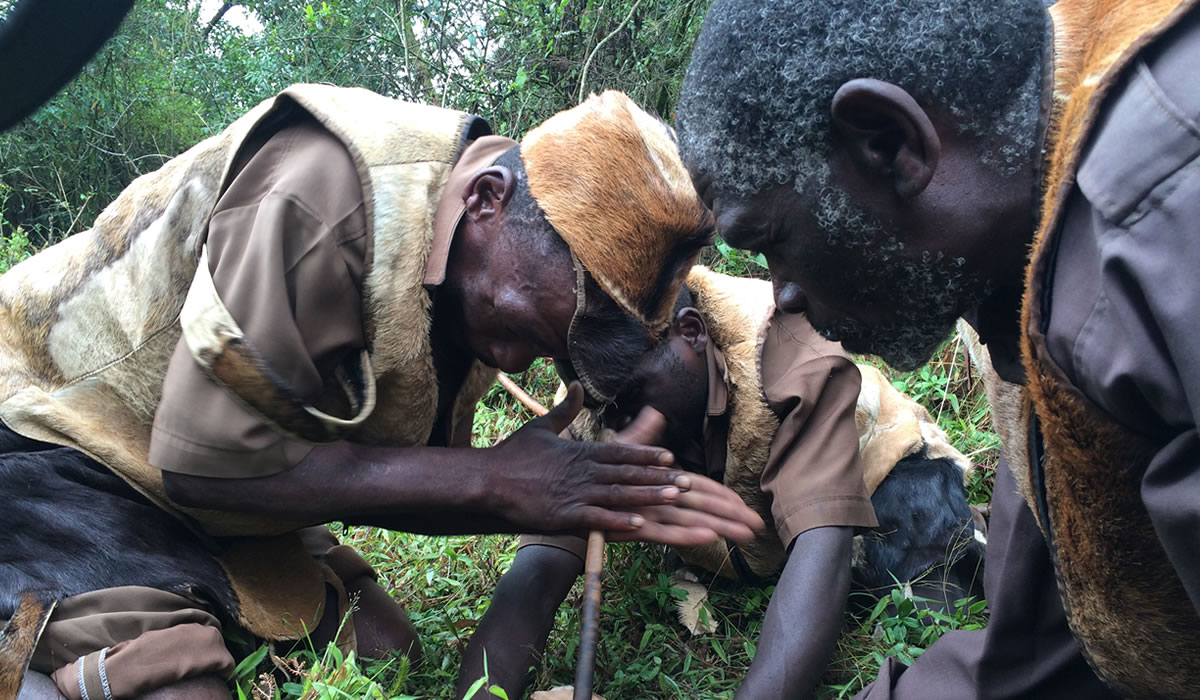
The Batwa Cultural Experience in Bwindi Forest
The Batwa Cultural Experience in Bwindi Forest is one of Uganda’s most authentic and meaningful cultural tourism activities. Located around Bwindi Impenetrable National Park in south western Uganda, this experience introduces tourists to the traditions, history, and forest lifestyle of the Batwa people, one of the oldest indigenous communities in Central and East Africa.
While Bwindi is internationally known for mountain gorilla trekking, the Batwa Cultural Experience adds a powerful human dimension to Uganda safaris. It allows tourists to understand the deep connection that once existed between the Batwa and the ancient rainforest while supporting community tourism and cultural preservation. For tourists seeking more than wildlife encounters, the experience offers insight into indigenous heritage, traditional survival techniques, music, dance, and storytelling.
As cultural tourism continues to grow in Uganda, the Batwa Cultural Experience has become an important addition to gorilla trekking itineraries and luxury safari packages in Bwindi.
Who Are the Batwa People?
The Batwa people, often referred to as the “keepers of the forest”, are an indigenous pygmy community that historically lived within the forests of Bwindi and surrounding regions. For centuries, they depended entirely on the rainforest for survival, using traditional hunting and gathering methods while maintaining a harmonious relationship with nature.
The Batwa lived in small forest settlements and relied on medicinal plants, wild fruits, honey, and hunting for food. They possessed extensive knowledge of the forest ecosystem and understood animal behaviour, plant uses, and survival techniques passed down through generations.
When Bwindi Forest was gazetted as a national park in 1991 to protect endangered mountain gorillas, the Batwa communities were relocated from the forest. This transition significantly altered their traditional lifestyle and presented social and economic challenges.
Today, cultural tourism initiatives provide opportunities for the Batwa to preserve their heritage while generating income through tourism activities.
Location of the Batwa Cultural Experience
The Batwa Cultural Experience takes place around Bwindi Impenetrable National Park, particularly in communities near Buhoma, Nkuringo, Rushaga and Ruhija sectors.
Bwindi lies in south western Uganda near the borders of Rwanda and the Democratic Republic of the Congo. The park itself is one of Africa’s oldest rainforests and a UNESCO World Heritage Site renowned for gorilla trekking safaris.
Most Batwa experiences are conducted by local guides and community organisations that work directly with Batwa groups. These activities are usually combined with gorilla trekking, nature walks, birdwatching, and community visits.
Because of its proximity to gorilla trekking sectors, the Batwa Cultural Experience is an ideal addition to Bwindi safari itineraries.
The Historical Connection Between the Batwa and Bwindi Forest
The relationship between the Batwa and Bwindi Forest forms the foundation of the cultural experience. For generations, the Batwa considered the forest their home, pharmacy, supermarket and spiritual sanctuary.
They lived as hunter gatherers and used bows, arrows and traps to hunt small animals. Honey collection was an important activity, and medicinal herbs gathered from the forest treated various illnesses.
The forest also held spiritual significance. Sacred caves and trees served as places for rituals, prayers and ceremonies. The Batwa believed their ancestors were connected to the forest and respected natural resources deeply.
During the cultural experience, tourists learn how the Batwa survived entirely within the rainforest without modern technology or permanent agriculture. This understanding gives visitors a deeper appreciation of indigenous knowledge and conservation history.
Activities Included in the Batwa Cultural Experience
The Batwa Cultural Experience is immersive and interactive, allowing tourists to participate rather than simply observe.
Traditional Forest Walks
One of the highlights is the guided forest walk led by Batwa elders and community members. During the walk, tourists learn traditional survival techniques that were once essential to Batwa life.
Guides demonstrate how they hunted animals using bows and arrows, collected medicinal plants, harvested honey and built temporary shelters. Tourists also discover edible plants and natural remedies used by the community. The walk recreates the original Batwa forest lifestyle and provides insight into their remarkable understanding of the rainforest ecosystem.
Traditional Hunting Demonstrations
Batwa guides often demonstrate traditional hunting methods that were historically used in Bwindi Forest. These demonstrations include setting traps, using bows and arrows, and explaining tracking techniques.
Although actual hunting no longer occurs within protected areas, the demonstrations preserve important cultural knowledge and allow tourists to understand how the Batwa once survived sustainably in the forest. These activities are educational and help preserve indigenous traditions for younger generations.
Storytelling and Oral Traditions
Storytelling forms a major part of Batwa culture. Elders share oral histories, myths and legends that explain their beliefs, forest spirits and ancestral connections. Tourists gain insight into Batwa worldviews and the importance of oral traditions in preserving cultural identity.
Stories often focus on forest life, relationships with wildlife and spiritual practices associated with caves and sacred sites. This element of the experience creates meaningful cultural exchanges between tourists and local communities.
Batwa Music, Dance and Cultural Performances
Music and dance are among the most vibrant aspects of the Batwa Cultural Experience. Tourists are welcomed with energetic performances featuring traditional songs, drumming and dances.
These performances reflect everyday life, celebrations, hunting traditions and spiritual practices. The songs preserve historical memories and cultural identity while creating engaging experiences for visitors. Tourists are often invited to participate in dances and interact with performers, making the experience more personal and memorable. The cultural performances also support community livelihoods through tourism revenue and encourage the continuation of traditional arts.
Visiting Sacred Caves and Historical Sites
Many Batwa experiences include visits to caves that once served as homes and ritual sites. These caves played important roles in Batwa spiritual and social life. Guides explain how families lived within these spaces and describe rituals historically performed there. The caves offer tangible connections to the community’s past and demonstrate their adaptation to forest environments.
For tourists interested in heritage tourism, these historical sites provide additional depth to the experience. The visits also highlight the importance of preserving indigenous history alongside wildlife conservation.
Cultural Tourism and Community Empowerment
The Batwa Cultural Experience plays a significant role in community development and sustainable tourism in Uganda. Revenue generated from tourism activities supports Batwa families through employment opportunities, education initiatives and community projects. Many cultural centres use tourism income to improve livelihoods and preserve traditional practices.
Community based tourism has become increasingly important because it allows tourists to contribute directly to local development while enjoying authentic experiences.
The Batwa experience demonstrates how cultural tourism can support conservation, heritage preservation and economic empowerment simultaneously. For responsible tourists, participating in the experience contributes positively to local communities.
Combining the Batwa Experience with Gorilla Trekking
Most tourists combine the Batwa Cultural Experience with gorilla trekking in Bwindi Forest. This combination creates one of Africa’s most rewarding safari experiences by linking wildlife conservation with cultural heritage.
Mountain gorilla trekking remains the primary attraction in Bwindi, drawing tourists from around the world. Adding the Batwa experience enriches the journey by introducing visitors to the human history connected to the rainforest.
Many luxury Uganda safari packages include gorilla trekking, community walks, Batwa performances and nature experiences within the same itinerary. The combination appeals particularly to tourists interested in conservation tourism, photography tours and immersive cultural safaris.
Best Time to Visit the Batwa Cultural Experience
The Batwa Cultural Experience can be enjoyed throughout the year, although the dry seasons generally provide better conditions for forest walks and community visits.
The months from June to September and December to February are considered ideal because trails are easier to access and weather conditions are more favourable.
However, Bwindi’s rainforest environment receives rainfall throughout the year, contributing to its lush scenery and biodiversity. Tourists visiting for gorilla trekking often add the Batwa experience regardless of season because it complements safari activities effectively.
Why the Batwa Cultural Experience Matters
Beyond tourism, the Batwa Cultural Experience serves as a reminder of the relationship between indigenous communities and conservation landscapes. It highlights the importance of balancing environmental protection with cultural heritage preservation.
The experience gives tourists an opportunity to understand the human stories connected to Bwindi Forest while supporting community initiatives.
It also helps preserve traditions that might otherwise disappear, ensuring future generations continue learning about Batwa history and identity. For many tourists, the cultural experience becomes one of the most memorable parts of their Uganda safari.
The Batwa Cultural Experience in Bwindi Forest offers tourists a rare opportunity to explore the heritage of one of Africa’s oldest indigenous communities. Through forest walks, storytelling, music, dance and cultural demonstrations, visitors gain meaningful insight into Batwa traditions and their historic connection to Bwindi.
Combined with gorilla trekking, birdwatching and nature experiences, the Batwa Cultural Experience adds cultural richness to Uganda safaris and enhances the overall tourism experience.
For tourists seeking authentic cultural encounters, community tourism and deeper understanding of Uganda’s heritage, the Batwa Cultural Experience remains an essential activity during any visit to Bwindi Forest.