

Bugungu Wildlife Reserve is one of Uganda’s most fascinating yet relatively undiscovered conservation areas. Situated in the spectacular Albertine Rift Valley in western Uganda, the reserve forms part of the greater Murchison Falls Conservation Area and offers tourists a unique blend of wildlife viewing, birdwatching, scenic landscapes, and eco-tourism experiences. While many visitors focus on the neighbouring Murchison Falls National Park, Bugungu Wildlife Reserve provides an equally rewarding opportunity to explore Uganda’s rich biodiversity in a more secluded and tranquil setting.
The reserve’s diverse habitats, abundant wildlife, and strategic location near Lake Albert make it an important conservation area and an increasingly attractive destination for tourists seeking authentic Uganda safari experiences. Whether visiting for wildlife encounters, nature photography, hiking, or birding, Bugungu Wildlife Reserve offers a memorable adventure within one of East Africa’s most important ecosystems.
Overview of Bugungu Wildlife Reserve
Bugungu Wildlife Reserve is located in north-western Uganda within the districts of Masindi and Buliisa. Covering approximately 748 square kilometres, the reserve forms part of the vast Murchison Falls Conservation Area, which also includes Murchison Falls National Park and Karuma Wildlife Reserve.
The reserve lies between the eastern shores of Lake Albert and the escarpments of the Albertine Rift Valley. This strategic location creates a variety of ecosystems that support a rich diversity of plant and animal species.
Managed by the Uganda Wildlife Authority, Bugungu Wildlife Reserve serves as a critical buffer zone for wildlife conservation and ecological connectivity within western Uganda.
History of Bugungu Wildlife Reserve
Bugungu Wildlife Reserve was established primarily to protect wildlife habitats and migration corridors associated with the greater Murchison Falls ecosystem. The reserve has long played an important role in conserving species that move between different protected areas within the Albertine Rift region.
Historically, the area supported large populations of elephants, buffaloes, antelopes, and predators. Although periods of poaching and human encroachment affected wildlife populations in the past, conservation efforts have significantly improved protection measures in recent decades.
Today, Bugungu Wildlife Reserve contributes to Uganda’s broader conservation goals by safeguarding habitats, supporting biodiversity, and promoting sustainable tourism.
Location and Accessibility
Bugungu Wildlife Reserve is located approximately 300 kilometres from Kampala. Tourists can access the reserve by road through Masindi or Buliisa districts. The journey from Kampala typically takes between five and seven hours depending on road conditions.
The reserve can also be incorporated into safari itineraries that include Murchison Falls National Park, making it an ideal extension for tourists interested in exploring less crowded wildlife destinations.
Its proximity to Lake Albert, the Albert Nile, and Murchison Falls National Park enhances its appeal as part of a broader western Uganda safari circuit.
Landscape and Scenic Beauty
One of the most attractive features of Bugungu Wildlife Reserve is its remarkable scenery. The reserve encompasses rolling grasslands, acacia woodlands, riverine forests, wetlands, and dramatic escarpments overlooking Lake Albert.
The Bugungu Escarpment offers some of the most spectacular panoramic views in Uganda. From elevated viewpoints, tourists can enjoy breathtaking vistas of Lake Albert, the Albert Nile, the Rift Valley floor, and distant mountain ranges.
During sunrise and sunset, the landscape becomes particularly striking, making the reserve a favourite destination for photographers and nature enthusiasts.
The reserve’s varied topography also contributes to its ecological diversity, creating habitats suitable for numerous wildlife species.
Wildlife in Bugungu Wildlife Reserve
Bugungu Wildlife Reserve supports a wide variety of wildlife species that thrive within its diverse ecosystems. Although wildlife densities may not match those found in Murchison Falls National Park, tourists can still enjoy rewarding game viewing experiences.
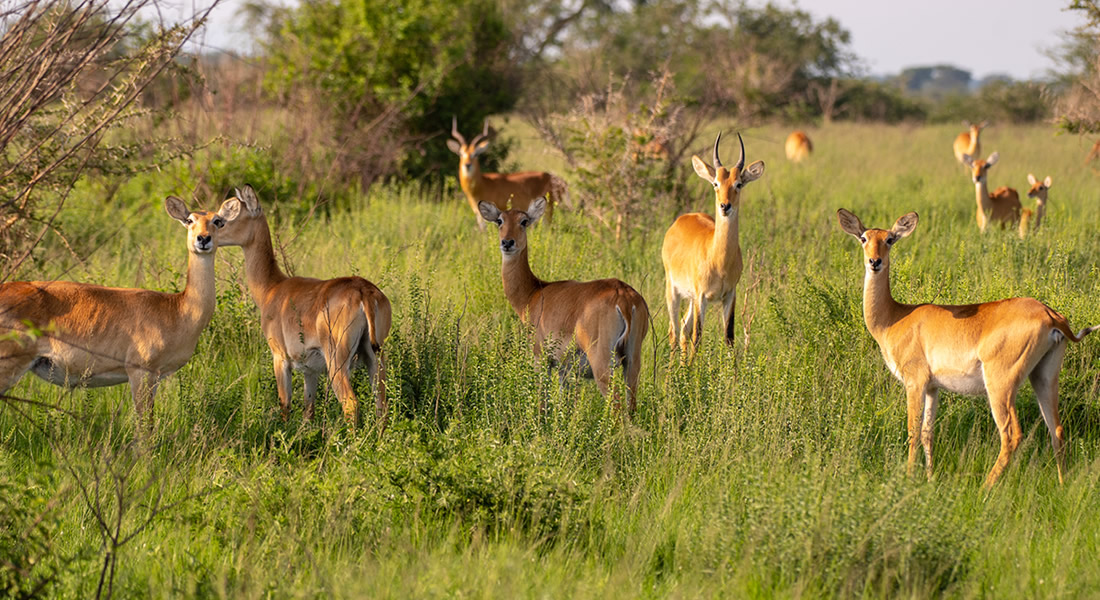
Common mammals found in the reserve include Uganda kob, bushbuck, waterbuck, warthog, oribi, reedbuck, and duiker. Larger species such as buffaloes and elephants occasionally move through the reserve as part of wider migration patterns within the conservation area.
Primates including olive baboons and vervet monkeys are frequently observed in woodland habitats. Smaller carnivores such as jackals, civets, and genets also inhabit the reserve.
The relatively undisturbed environment provides excellent opportunities for observing wildlife in natural surroundings away from larger tourist crowds.
Birdwatching in Bugungu Wildlife Reserve
Bugungu Wildlife Reserve is one of Uganda’s most rewarding birdwatching destinations. Its location within the Albertine Rift and proximity to Lake Albert create ideal conditions for a diverse range of bird species.
The reserve is home to more than 240 bird species, attracting birdwatchers from around the world. Notable species include the African fish eagle, Abyssinian ground hornbill, secretary bird, saddle-billed stork, grey crowned crane, black-headed gonolek, pied kingfisher, and numerous raptors.
Wetland areas support waterbirds, while woodland habitats provide shelter for forest and Savannah species. Seasonal migratory birds further enhance the reserve’s birding potential.
Birdwatching can be enjoyed throughout the year, though many enthusiasts prefer the wetter months when bird activity is at its peak.
Safari Activities in Bugungu Wildlife Reserve
Wildlife Viewing
Game drives provide tourists with opportunities to explore the reserve’s open grasslands and woodland habitats while searching for wildlife. The reserve’s peaceful environment allows for a more intimate safari experience compared to busier national parks.
Morning and evening drives often produce the best wildlife sightings as animals are most active during cooler hours.
Birding Safaris
Birdwatching excursions are among the most popular activities in the reserve. Expert guides help tourists identify resident and migratory species while explaining their behaviours and ecological significance.
Nature Walks
Guided nature walks allow tourists to experience the reserve at a slower pace. Visitors can observe smaller wildlife species, learn about indigenous plants, and gain a deeper appreciation for the reserve’s ecosystems.
Nature walks also provide opportunities to study animal tracks, insects, and medicinal plants used by local communities.
Hiking and Scenic Viewing
The escarpments and elevated viewpoints within Bugungu Wildlife Reserve offer excellent hiking opportunities. Guided hikes lead tourists to spectacular viewpoints overlooking Lake Albert and the surrounding Rift Valley landscapes.
These walks combine adventure, photography, and environmental education.
Conservation Importance
Bugungu Wildlife Reserve plays a crucial role in conserving biodiversity within the greater Murchison Falls ecosystem. It serves as an important wildlife corridor that enables animal movement between protected areas.
The reserve protects vital habitats, watersheds, and vegetation communities that contribute to ecological stability across the Albertine Rift region. Conservation programmes focus on habitat restoration, anti-poaching initiatives, wildlife monitoring, and community engagement.
Through sustainable tourism and conservation partnerships, Bugungu Wildlife Reserve continues to support Uganda’s wildlife protection efforts while generating benefits for surrounding communities.
Community Tourism and Cultural Experiences
Tourists visiting Bugungu Wildlife Reserve can also engage with nearby communities and experience the rich cultural heritage of western Uganda. Local villages provide opportunities to learn about traditional lifestyles, agriculture, fishing practices, music, and crafts.
Community tourism initiatives encourage local participation in conservation while creating alternative income sources through tourism-related activities.
These cultural interactions enhance the overall visitor experience and foster greater understanding of the relationship between people and wildlife conservation.
Best Time to Visit Bugungu Wildlife Reserve
Bugungu Wildlife Reserve can be visited throughout the year. However, the dry seasons generally offer the best conditions for wildlife viewing and outdoor activities.
The primary dry seasons occur from December to February and from June to September. During these months, roads are more accessible, vegetation is less dense, and wildlife is easier to observe around water sources.
The rainy seasons, occurring between March and May and again from October to November, bring lush vegetation and excellent birdwatching opportunities. Photographers often appreciate the vibrant landscapes and dramatic skies associated with these periods.
Accommodation Near Bugungu Wildlife Reserve
While accommodation options within the reserve itself are limited, tourists can find a range of lodging facilities in nearby areas around Murchison Falls National Park and Lake Albert.
Options include luxury safari lodges, mid-range camps, eco-lodges, and budget accommodation facilities. Many visitors choose to stay in lodges overlooking the Albert Nile or within the greater Murchison Falls Conservation Area.
Tour operators often include accommodation, meals, transport, and guided activities in comprehensive safari packages.
Why Visit Bugungu Wildlife Reserve?
Bugungu Wildlife Reserve offers tourists a unique opportunity to experience one of Uganda’s most scenic and ecologically important wildlife destinations. Its spectacular landscapes, diverse wildlife, rich birdlife, and peaceful atmosphere create an exceptional safari experience.
Unlike more heavily visited parks, Bugungu provides a sense of wilderness and exclusivity that appeals to nature lovers, photographers, birdwatchers, and eco-tourists. The reserve’s connection to the greater Murchison Falls ecosystem further enhances its conservation significance and tourism value.
For tourists seeking an authentic Uganda safari featuring wildlife viewing, birdwatching, hiking, photography, and cultural experiences, Bugungu Wildlife Reserve stands out as one of the country’s hidden treasures and an increasingly important destination within Uganda’s thriving tourism industry.