

Karuma Wildlife Reserve is one of Uganda’s lesser known but ecologically significant protected areas, located in the northern region along the Victoria Nile corridor. It forms an important buffer zone within the wider Murchison Falls conservation landscape and is closely associated with the famous Karuma Falls, a dramatic section of the Nile that has shaped both the geography and biodiversity of the area. For tourists seeking an off the beaten path Uganda safari experience, Karuma Game Reserve offers a blend of wildlife, river scenery, and untouched wilderness.
Location and Geographic Setting
Karuma Game Reserve is situated in northern Uganda, spanning parts of districts such as Kiryandongo, Nwoya, and Gulu. Its strategic position along the Victoria Nile makes it an essential ecological link between central and northern Uganda. The reserve lies along major transport routes connecting Kampala to northern Uganda and South Sudan, making it relatively accessible for safari circuits.
The landscape is defined by Savannah woodland, riverine forests, and rocky escarpments shaped by the Nile’s powerful flow. The presence of Karuma Falls adds a dramatic natural feature that enhances the reserve’s appeal. The falls themselves are not a single drop but rather a series of rapids and cascades that create a thunderous sound and misty atmosphere, giving the area its name, which is often associated with “place of the drums” in local tradition.
Landscape and Ecosystem Diversity
Karuma Game Reserve is part of the greater Albertine Rift ecological system, known for high biodiversity and varied habitats. The reserve’s terrain transitions between open Savannah grasslands, acacia woodlands, and dense riverine vegetation along the Nile banks.
This diversity of habitats supports a wide range of plant and animal species. The river ecosystem is particularly important, providing water and breeding grounds for aquatic life while attracting wildlife from surrounding areas. Seasonal changes influence the landscape significantly, with the wet season bringing lush greenery and the dry season concentrating wildlife around permanent water sources.
Wildlife in Karuma Game Reserve
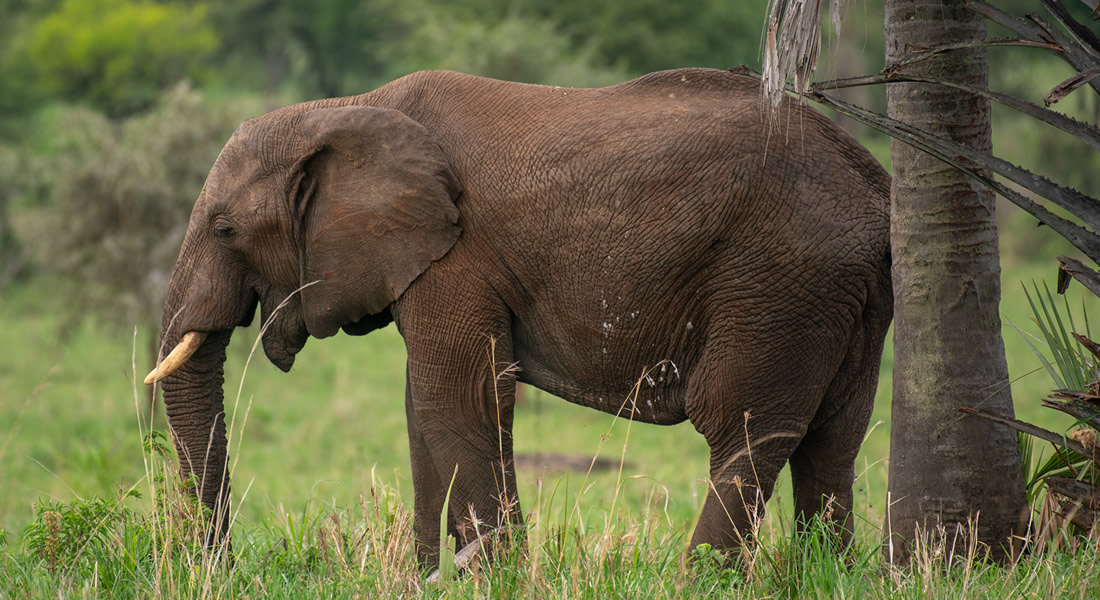
Wildlife in Karuma Game Reserve is typical of Uganda’s Savannah ecosystems, although sightings can be more dispersed due to the reserve’s dense vegetation and large area. Common mammals include Uganda kob, warthog, bushbuck, waterbuck, and olive baboon. Elephants are occasionally seen moving through the wider conservation corridor, especially near the Nile.
Predators such as leopards and spotted hyenas are present but elusive, making sightings rare and highly rewarding for tourists on guided safaris. The reserve’s role as a wildlife corridor means animals often migrate between Karuma, Murchison Falls National Park, and surrounding protected areas.
Birdlife is one of the strongest attractions in Karuma Game Reserve. The mix of riverine forest and Savannah supports species such as the African fish eagle, malachite kingfisher, goliath heron, and various hornbills. The Nile ecosystem also attracts migratory birds, making it a key bird watching destination in northern Uganda.
Safari Activities and Things to Do
Karuma Game Reserve offers a variety of safari experiences focused on nature, wildlife, and scenic exploration. Game drives are a primary activity, allowing tourists to explore the reserve’s roads and tracks in search of wildlife. Although the terrain can be less predictable than more developed parks, the sense of wilderness enhances the safari experience.
Guided nature walks provide an even more immersive way to explore the reserve. These walks allow tourists to observe smaller wildlife, insects, birds, and plant life while learning about the ecosystem from experienced guides. Walking safaris also offer insight into animal tracks and behaviours that are often missed during vehicle-based safaris.
Bird watching is particularly rewarding due to the reserve’s river systems and woodland habitats. Early morning excursions along the Nile are ideal for spotting kingfishers, eagles, and storks. Photography safaris are also popular, especially for capturing the dramatic scenery of Karuma Falls and the surrounding landscapes.
The Role of the Nile and Karuma Falls
The Victoria Nile is the lifeline of Karuma Game Reserve. Its constant flow supports biodiversity, shapes the terrain, and provides one of the most visually striking features in the region. The river is especially powerful at Karuma Falls, where it narrows and accelerates through rocky formations, creating rapids that are both scenic and ecologically important.
The falls are a key attraction for tourists travelling along Uganda’s northern safari circuit. While access to the immediate falls area may be restricted for safety and conservation reasons, viewing points and nearby roads provide excellent perspectives of the rushing water and surrounding wilderness.
Conservation Importance
Karuma Game Reserve plays a crucial role in Uganda’s broader conservation strategy. Managed under the Uganda Wildlife Authority, it serves as a buffer zone for larger protected areas, particularly Murchison Falls National Park. This connectivity allows for wildlife movement and genetic diversity across ecosystems.
Conservation efforts in the reserve focus on anti poaching patrols, habitat protection, and maintaining the ecological integrity of the Nile corridor. The area is also important for research and monitoring of wildlife populations, especially species that move between multiple protected areas.
Human activity and infrastructure development along nearby transport routes present challenges, but ongoing conservation initiatives aim to balance development with environmental protection. Community involvement is also encouraged to ensure sustainable use of natural resources.
Accessibility and Travel Routes
Karuma Game Reserve is easily accessible by road from Kampala, making it a common stop on Uganda safari itineraries heading towards northern destinations. The journey passes through scenic countryside, small towns, and agricultural landscapes before reaching the reserve area.
The Kampala to Gulu highway runs near the reserve, providing convenient access for tour operators and independent tourists. This accessibility makes Karuma a strategic stopover point for those travelling to destinations such as Murchison Falls National Park or further north towards Kidepo Valley.
Accommodation Options Nearby
While accommodation within Karuma Game Reserve itself is limited, a range of lodges, guesthouses, and safari camps are available in nearby towns and conservation areas. Many tourists choose to stay in lodges near Murchison Falls or along the Nile corridor, where facilities are more developed.
These accommodations typically offer safari packages that include visits to Karuma, guided game drives, and bird watching excursions. Options range from budget friendly lodges to mid range safari camps, often featuring scenic views, local cuisine, and guided nature experiences.
Best Time to Visit Karuma Game Reserve
The best time to visit Karuma Game Reserve is during the dry seasons, which generally run from December to February and June to August. During these months, wildlife is easier to spot as animals gather near water sources and vegetation is less dense.
The wet seasons bring lush landscapes and excellent bird watching opportunities, particularly for migratory species. However, some roads may become more challenging to navigate due to rainfall, making guided tours more suitable during this period.
Cultural Experiences Around Karuma
The areas surrounding Karuma Game Reserve are home to diverse communities with rich cultural traditions. Tourists can engage in cultural experiences such as village visits, traditional dance performances, and craft demonstrations. These interactions provide insight into local lifestyles and the relationship between communities and the natural environment.
Cultural tourism also supports local livelihoods, ensuring that communities benefit directly from tourism activities in the region. This strengthens conservation efforts by encouraging sustainable coexistence between people and wildlife.
Why Karuma Game Reserve is Worth Visiting
Karuma Game Reserve offers a unique safari experience that combines wildlife viewing, river scenery, and cultural interaction. Unlike more crowded national parks, it provides a quieter and more authentic encounter with Uganda’s natural environment.
For tourists seeking a diverse Uganda safari experience, Karuma serves as both a destination and a gateway to the northern safari circuit. Its connection to the Nile, proximity to major parks, and ecological importance make it a valuable addition to any wildlife itinerary.
Karuma Game Reserve remains one of Uganda’s hidden ecological treasures. Its strategic location along the Victoria Nile, rich biodiversity, and dramatic landscapes make it an important conservation area and an emerging tourism destination. Whether exploring its Savannah plains, observing birds along the riverbanks, or witnessing the power of Karuma Falls, tourists are rewarded with a deeply immersive wilderness experience.
As Uganda continues to expand its eco tourism sector, Karuma Game Reserve is set to gain greater recognition among safari enthusiasts and conservationists alike, reinforcing its role in the country’s natural heritage.