

Uganda is one of Africa’s leading primate destinations, offering extraordinary opportunities for tourists to observe chimpanzees in their natural habitat. Chimpanzee Tracking in Uganda has become one of the country’s most sought-after wildlife experiences, attracting nature lovers, wildlife enthusiasts, photographers, and researchers from around the world. With its lush tropical rainforests, rich biodiversity, and thriving chimpanzee populations, Uganda provides an unforgettable adventure for those seeking close encounters with humanity’s closest living relatives.
Chimpanzees share approximately 98.7 percent of their DNA with humans, making them fascinating to observe in the wild. Their complex social structures, intelligence, communication methods, and human-like behaviours create a remarkable wildlife experience that leaves a lasting impression on tourists. Whether exploring the famous forests of Kibale Forest National Park or venturing into lesser-known primate habitats, chimpanzee tracking in Uganda offers a unique combination of adventure, conservation, and education.
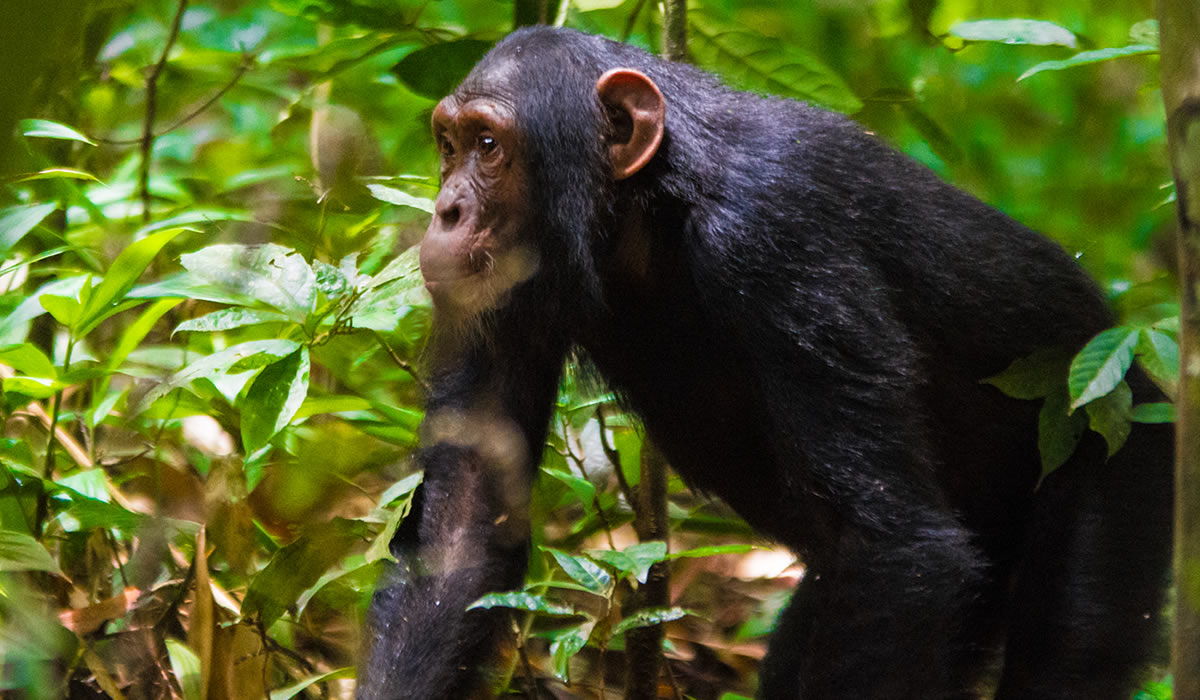
Why Uganda is a Top Chimpanzee Tracking Destination
Uganda is home to one of the largest populations of wild chimpanzees in East Africa. The country’s extensive tropical forests provide ideal habitats for these endangered primates, allowing them to thrive in protected conservation areas.
Unlike many wildlife experiences where sightings can be unpredictable, chimpanzee tracking in Uganda enjoys a high success rate. Habituated chimpanzee communities have become accustomed to the presence of humans, making it easier for tourists to observe them without significantly disturbing their natural behaviour.
Uganda also offers a diverse safari experience. Tourists can combine chimpanzee tracking with gorilla trekking, wildlife game drives, birdwatching, cultural encounters, and mountain adventures, creating a comprehensive African safari holiday.
Kibale National Park, The Primate Capital of the World
Kibale National Park is undoubtedly the most popular destination for chimpanzee tracking in Uganda. Located in western Uganda, the park covers approximately 795 square kilometres of tropical rainforest and is often referred to as the “Primate Capital of the World.”
The park is home to over 1,500 chimpanzees and supports the highest concentration of primates in Africa. In addition to chimpanzees, Kibale hosts several other primate species, including red colobus monkeys, black-and-white colobus monkeys, grey-cheeked mangabeys, vervet monkeys, blue monkeys, and olive baboons.
Chimpanzee tracking in Kibale National Park offers some of the highest sighting rates in Africa. The dense forest ecosystem provides an authentic jungle experience where tourists can listen to the calls of chimpanzees echoing through the canopy before eventually locating a family group.
The park’s well-developed tourism infrastructure, professional guides, and comfortable accommodation options further enhance its reputation as Uganda’s premier chimpanzee tracking destination.
Other Places for Chimpanzee Tracking in Uganda
Budongo Forest Reserve
Located near Murchison Falls National Park, Budongo Forest Reserve is another excellent destination for chimpanzee tracking. The forest contains one of East Africa’s largest natural mahogany forests and supports a significant chimpanzee population.
Budongo offers a quieter and less crowded tracking experience compared to Kibale. The forest’s relatively flat terrain makes it particularly appealing for tourists seeking less physically demanding hikes.
Kyambura Gorge
Situated within Queen Elizabeth National Park, Kyambura Gorge is often referred to as the “Valley of Apes.” This dramatic forested gorge cuts through the savannah landscape, creating a unique ecosystem that supports a small but fascinating chimpanzee community.
Tracking chimpanzees in Kyambura Gorge provides a distinctive experience, combining forest exploration with the surrounding savannah scenery. Tourists often combine chimpanzee tracking here with wildlife game drives and boat cruises on the Kazinga Channel.
Kalinzu Forest Reserve
Kalinzu Forest Reserve is another important chimpanzee habitat in western Uganda. The forest hosts several habituated chimpanzee groups and offers excellent opportunities for primate viewing.
The reserve is known for its scenic forest trails, rich biodiversity, and relatively affordable tracking permits, making it a popular choice for budget-conscious tourists.
The Chimpanzee Tracking Experience
Chimpanzee tracking adventures typically begin early in the morning with a briefing from experienced park rangers and guides. During the briefing, tourists receive information about tracking procedures, safety regulations, conservation efforts, and expected behaviour while in the forest.
Small groups are then led into the forest in search of habituated chimpanzee communities. Rangers use their extensive knowledge of chimpanzee movements, vocalisations, feeding patterns, and nesting sites to locate the primates.
Unlike mountain gorillas, chimpanzees are highly active and mobile. They often move rapidly through the forest canopy and across the forest floor. This dynamic behaviour adds excitement to the tracking experience and provides opportunities to witness fascinating interactions among group members.
Once the chimpanzees are located, tourists are typically allowed one hour to observe and photograph them. During this time, visitors may witness feeding, grooming, hunting, playing, vocal communication, and social bonding behaviours.
Chimpanzee Habituation Experience
For tourists seeking a more immersive encounter, Uganda offers the Chimpanzee Habituation Experience, particularly in Kibale National Park. This specialised activity allows participants to spend an extended period with researchers, trackers, and chimpanzee groups undergoing habituation.
Unlike standard tracking, which provides one hour with the chimpanzees, the habituation experience allows tourists to spend up to four hours observing the primates. This provides deeper insights into chimpanzee behaviour, social structures, communication patterns, and ongoing conservation research.
The experience is highly recommended for wildlife photographers, researchers, and visitors with a strong interest in primate conservation.
Best Time for Chimpanzee Tracking in Uganda
Chimpanzee tracking is available throughout the year, but certain seasons provide more favourable conditions. The dry seasons from June to September and December to February are generally considered the best times for tracking. Forest trails are less muddy, making hiking easier and more comfortable.
During the wet seasons from March to May and October to November, forests become greener and more vibrant. Although trails can be slippery, tourist numbers are often lower, creating a more exclusive experience. Because chimpanzees remain active throughout the year, sightings are common regardless of the season.
What to Pack for Chimpanzee Tracking
Proper preparation significantly enhances the tracking experience. Tourists should wear comfortable hiking boots with good grip, long-sleeved shirts, long trousers, and lightweight waterproof clothing.
Other essential items include insect repellent, sunscreen, a hat, drinking water, energy snacks, and a camera with extra batteries. Neutral-coloured clothing is recommended to minimise disturbance to wildlife. A small backpack is useful for carrying personal items during the trek, while walking sticks may provide additional support on uneven terrain.
Rules and Guidelines for Chimpanzee Tracking
To ensure both visitor safety and chimpanzee welfare, several regulations must be followed during tracking activities. Tourists are required to maintain a safe distance from the chimpanzees whenever possible. Individuals suffering from contagious illnesses should not participate, as chimpanzees are highly susceptible to human diseases.
Loud noises, sudden movements, and flash photography are prohibited. Visitors should avoid direct eye contact with aggressive individuals and always follow ranger instructions. These guidelines help minimise stress on the animals and support responsible wildlife tourism practices.
Conservation and the Importance of Chimpanzee Tourism
Chimpanzees are classified as endangered due to habitat loss, poaching, disease, and human encroachment. Conservation efforts across Uganda play a critical role in protecting remaining populations and preserving vital forest ecosystems.
Revenue generated through chimpanzee tracking permits directly supports conservation initiatives, anti-poaching patrols, research programmes, habitat restoration projects, and community development efforts.
Local communities surrounding protected areas also benefit through employment opportunities, tourism enterprises, and infrastructure improvements. These benefits encourage positive attitudes towards conservation and reduce pressure on wildlife habitats.
As a result, chimpanzee tourism has become an essential tool in safeguarding Uganda’s primate populations for future generations.
Combining Chimpanzee Tracking with Other Safari Activities
Many tourists combine chimpanzee tracking with other popular Uganda safari experiences. Gorilla trekking in Bwindi Impenetrable National Park is often paired with chimpanzee tracking to create a comprehensive primate safari.
Wildlife game drives in Queen Elizabeth National Park and Murchison Falls National Park provide opportunities to see lions, elephants, buffaloes, giraffes, and leopards. Boat cruises, birdwatching excursions, nature walks, and cultural tours further enrich safari itineraries.
This variety makes Uganda one of Africa’s most versatile wildlife destinations, offering something for every type of tourist.
Chimpanzee tracking in Uganda is one of Africa’s most rewarding wildlife experiences. From the dense rainforests of Kibale National Park to the scenic landscapes of Budongo Forest, Kyambura Gorge, and Kalinzu Forest, tourists have numerous opportunities to encounter these remarkable primates in their natural environment.
The combination of close wildlife encounters, breathtaking forest scenery, expert guiding, and strong conservation efforts makes Uganda a premier destination for chimpanzee safaris. Whether included as part of a broader Uganda safari or enjoyed as a standalone adventure, chimpanzee tracking offers tourists an unforgettable journey into the heart of Africa’s tropical forests and a rare glimpse into the lives of one of humanity’s closest relatives.