

Matheniko Game Reserve is one of Uganda’s most remote and rugged conservation areas, located in the north eastern region within the Karamoja sub region. Known for its semi arid landscapes, open Savannah plains, and dramatic mountain backdrops, the reserve offers tourists a raw and authentic wilderness experience far from the more heavily visited safari destinations in Uganda. It forms part of the broader Karamoja conservation landscape, which is increasingly recognised for its unique wildlife, cultural richness, and untouched natural beauty.
Matheniko Game Reserve is ideal for adventurous tourists seeking off the beaten path Uganda safaris, combining wildlife viewing, cultural encounters, and dramatic scenery in one of the country’s least disturbed ecosystems.
Location and Geographic Setting
Matheniko Game Reserve is located in north eastern Uganda within the Moroto District, forming part of the wider Karamoja region. It lies near the border with Kenya, within a semi arid belt that extends across the Horn of Africa. The reserve is part of a larger conservation complex that includes Pian Upe Wildlife Reserve, creating one of the largest protected wilderness areas in Uganda.
The terrain is dominated by vast open plains, rocky outcrops, and volcanic mountain ranges, including the dramatic Moroto Mountains. These landscapes create a striking contrast between flat Savannah and steep highland formations, offering panoramic views and exceptional photography opportunities.
The climate is generally hot and dry, with seasonal rainfall patterns that influence vegetation growth and wildlife movement. This semi arid environment shapes the character of the reserve and contributes to its unique ecological identity.
Landscape and Natural Environment
Matheniko Game Reserve is characterised by expansive Savannah grasslands interspersed with acacia woodlands, rocky hills, and dry riverbeds. The vegetation is adapted to arid conditions, with drought resistant grasses and scattered shrubs dominating the landscape.
The open nature of the terrain allows for long distance visibility, making wildlife spotting easier compared to densely forested parks. The reserve’s remote and undeveloped character enhances its sense of wilderness, offering tourists an authentic safari environment with minimal human interference.
The proximity to mountain ranges adds geological diversity, with rocky escarpments and ridges providing shelter for wildlife and creating dramatic scenery. During the wet season, the landscape transforms into a greener environment, attracting migratory species and supporting temporary water sources.
Wildlife in Matheniko Game Reserve
Wildlife in Matheniko Game Reserve is adapted to survive in semi arid conditions. The reserve is home to a variety of mammals, including Jackson’s hartebeest, Uganda kob, eland, oribi, waterbuck, and reedbuck. These herbivores thrive in open grasslands where grazing is available.
Predators such as cheetahs, leopards, hyenas, and occasionally lions inhabit the wider Karamoja conservation area, although sightings can be unpredictable due to the vastness of the landscape. The presence of these predators highlights the ecological importance of the reserve as part of a functioning Savannah ecosystem.
Small mammals such as jackals, hares, and ground squirrels are also commonly observed. Reptiles and insect life are abundant, especially during the wet season when ecological activity increases.
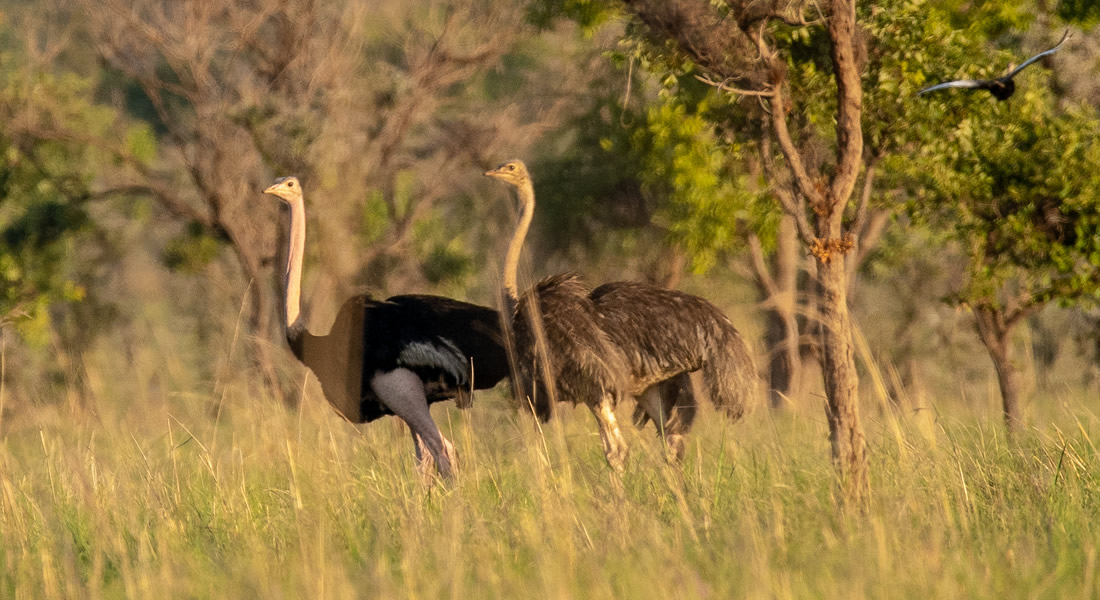
Birdlife is one of the key attractions for tourists visiting Matheniko Game Reserve. The reserve supports a variety of dryland and Savannah bird species, including ostriches, secretary birds, Kori bustards, and various raptors such as martial eagles and tawny eagles. The open plains provide excellent conditions for bird watching and wildlife photography.
Safari Activities and Tourist Experiences
Matheniko Game Reserve offers a range of safari experiences focused on wilderness exploration and nature based tourism. Game drives are the primary activity, allowing tourists to explore the vast Savannah landscapes in search of wildlife. The open terrain makes it possible to cover large areas while observing animals in their natural environment.
Due to its remote nature, safari experiences in Matheniko are often more adventurous and less structured than those in more developed national parks. This appeals to tourists seeking authentic wilderness encounters and off the grid travel experiences.
Nature walks with experienced guides are also possible in certain areas of the reserve. These walks provide opportunities to learn about animal tracks, plant species, and ecological adaptations to dryland environments.
Photography safaris are highly rewarding due to the dramatic landscapes, wide horizons, and unique lighting conditions. Sunrises and sunsets over the Savannah plains are particularly striking, making Matheniko a favourite destination for landscape photographers.
Cultural Experiences in Karamoja
One of the most distinctive aspects of visiting Matheniko Game Reserve is the opportunity to engage with the rich cultural heritage of the Karamoja region. The local communities, including the Karamojong people, have preserved traditional pastoral lifestyles for generations.
Tourists can participate in cultural visits that include traditional dances, storytelling, homestead tours, and demonstrations of cattle keeping practices. These experiences provide valuable insight into the relationship between people and the environment in semi arid ecosystems.
Cultural tourism plays an important role in supporting local livelihoods and promoting sustainable development in the region. It also helps to strengthen conservation efforts by linking community welfare with wildlife protection.
Conservation Importance and Ecosystem Role
Matheniko Game Reserve is a key component of Uganda’s northern conservation network. Together with adjacent reserves, it forms part of a large ecological corridor that supports wildlife movement and biodiversity conservation across the Karamoja landscape.
The reserve is managed under national conservation frameworks aimed at protecting wildlife populations, preventing poaching, and maintaining ecosystem integrity. Its large size and low human population density make it particularly important for wide ranging species such as elephants and large carnivores.
Conservation efforts also focus on balancing wildlife protection with the needs of local communities. Community based conservation programmes help reduce human wildlife conflict and promote sustainable land use practices.
The integration of Matheniko with neighbouring protected areas strengthens ecological resilience and enhances Uganda’s overall biodiversity conservation strategy.
Accessibility and Travel Routes
Matheniko Game Reserve is one of the more remote safari destinations in Uganda, located several hours’ drive from major towns such as Moroto and Soroti. The journey to the reserve passes through scenic but rugged terrain, highlighting the remoteness of the Karamoja region.
Access is primarily by road, and 4×4 vehicles are recommended due to the rough and unpaved tracks in some areas. Despite its remoteness, the reserve is increasingly included in specialised Uganda safari itineraries focusing on northern Uganda and adventure tourism.
Tour operators often combine visits to Matheniko with nearby reserves such as Pian Upe Wildlife Reserve to create comprehensive wilderness experiences.
Accommodation Options Near Matheniko
Accommodation near Matheniko Game Reserve is limited but improving as tourism in the Karamoja region develops. Options include basic lodges, eco camps, and guesthouses in nearby towns such as Moroto.
These accommodations typically offer simple but comfortable facilities, with an emphasis on cultural immersion and nature based experiences. Some eco camps provide tented accommodation that allows tourists to stay closer to nature while enjoying guided safari activities.
Due to the remote setting, visitors are encouraged to plan logistics carefully and often rely on organised safari packages that include accommodation, transport, and guided tours.
Best Time to Visit Matheniko Game Reserve
The best time to visit Matheniko Game Reserve is during the dry seasons, typically from December to March and June to August. During these periods, wildlife is easier to spot as animals gather around limited water sources and vegetation is less dense.
The wet season, while more challenging for travel, transforms the landscape into a greener environment and attracts migratory bird species. However, road conditions may become difficult, making guided tours essential during this period.
Each season offers a different safari experience, with dry months favouring wildlife viewing and wet months enhancing bird watching and landscape photography.
Why Visit Matheniko Game Reserve
Matheniko Game Reserve offers one of the most authentic wilderness experiences in Uganda. Its remote location, dramatic landscapes, and cultural richness make it ideal for tourists seeking adventure and solitude away from mainstream safari routes.
Unlike more developed parks, Matheniko provides a raw and unfiltered connection to nature, where vast horizons and quiet landscapes define the experience. It is particularly suited for experienced safari enthusiasts, photographers, and cultural travellers.
Matheniko Game Reserve is a hidden gem within Uganda’s northern safari circuit. Its semi arid Savannah, diverse wildlife, and strong cultural heritage make it a unique and valuable conservation area.
For tourists seeking an off the beaten path Uganda safari, Matheniko delivers a powerful combination of wilderness, culture, and adventure. As tourism in the Karamoja region continues to grow, the reserve is set to become an increasingly important destination for eco tourism and sustainable travel in Uganda.