

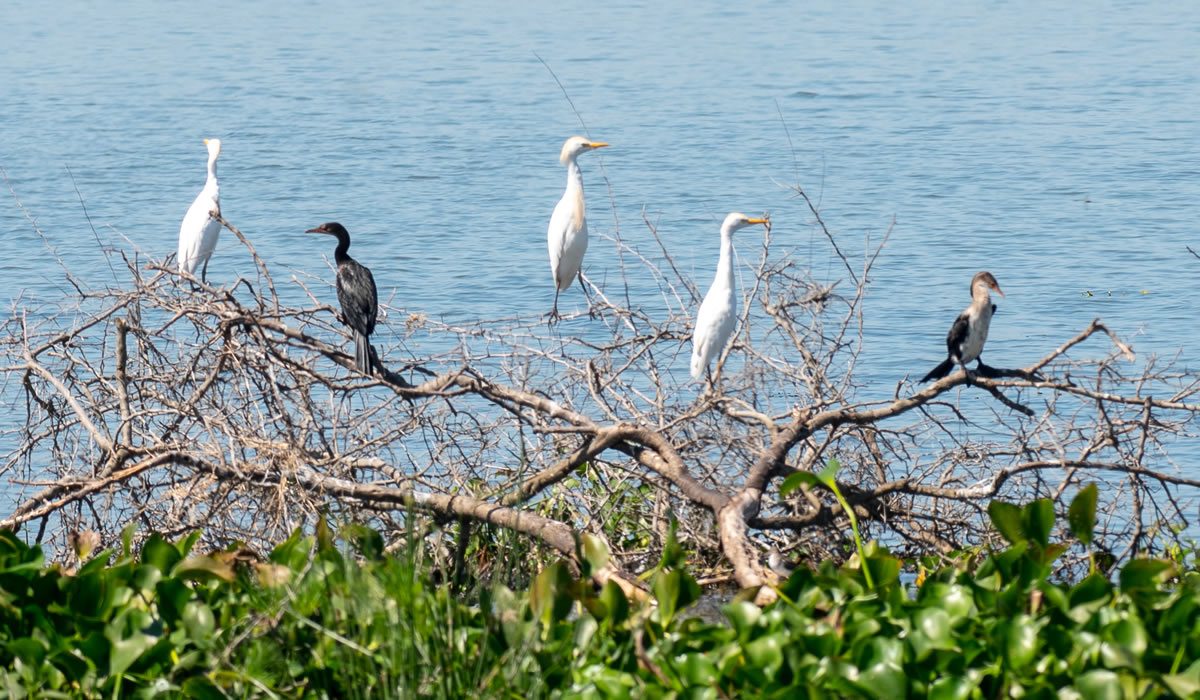
Uganda is widely recognised as one of the world’s premier birdwatching destinations. Located in the heart of East Africa, the country boasts an extraordinary diversity of habitats that support more than 1,090 bird species, representing nearly 50 percent of Africa’s bird species and approximately 11 percent of the world’s total bird population. From tropical rainforests and vast wetlands to Savannah grasslands and mountainous regions, Uganda offers bird enthusiasts an unmatched opportunity to observe an incredible variety of resident and migratory birds. Bird watching in Uganda has become one of the country’s fastest-growing tourism activities, attracting tourists, ornithologists, wildlife photographers, and nature lovers from across the globe. Whether searching for the legendary Shoebill Stork, spotting colourful Albertine Rift endemics, or enjoying the rich birdlife of national parks, Uganda delivers unforgettable birding experiences throughout the year.
Why Uganda is a Top Bird Watching Destination
Uganda’s unique geographical location contributes significantly to its remarkable bird diversity. Situated where the East African Savannah meets the West African rainforest, the country supports species from multiple ecological zones. The presence of lakes, rivers, wetlands, forests, mountains, and open plains further enhances the variety of bird habitats.
One of the greatest advantages of bird watching in Uganda is the accessibility of birding sites. Tourists can encounter hundreds of species within relatively short distances, making Uganda an efficient and rewarding destination for birding safaris.
The country’s extensive network of protected areas, experienced bird guides, and excellent tourism infrastructure further strengthen its reputation as one of Africa’s finest birdwatching destinations.
The Famous Shoebill Stork
For many birdwatchers, the highlight of bird watching in Uganda is the opportunity to see the elusive Shoebill Stork. This prehistoric-looking bird is considered one of Africa’s most sought-after bird species and is often at the top of birders’ wish lists.
The Shoebill inhabits Uganda’s papyrus wetlands, particularly around the Mabamba Swamp near Lake Victoria. The swamp offers some of the best opportunities in Africa to observe and photograph this rare species.
The bird’s distinctive shoe-shaped bill, towering height, and unique hunting behaviour make it one of the most fascinating birds in the world. Guided canoe excursions through the wetland channels provide tourists with excellent chances of encountering this remarkable species.
Best Places for Bird Watching in Uganda
Bwindi Impenetrable National Park
Bwindi Impenetrable National Park is renowned worldwide for gorilla trekking, but it is also one of Africa’s most important birding destinations. The park supports over 350 bird species, including many Albertine Rift endemics that are difficult to find elsewhere.
Birdwatchers visiting Bwindi may encounter species such as the African Green Broadbill, Shelley’s Crimsonwing, Handsome Francolin, Grauer’s Rush Warbler, and Regal Sunbird. The dense rainforest habitat creates an exciting and rewarding birding experience for both beginner and experienced birders.
Queen Elizabeth National Park
Queen Elizabeth National Park is one of Uganda’s most diverse birding locations, hosting over 600 bird species. This remarkable number makes it one of the richest protected areas for birdlife in Africa.
The park’s varied habitats include Savannah grasslands, wetlands, forests, lakes, and river systems. Tourists frequently observe African Fish Eagles, Grey Crowned Cranes, Pelicans, Kingfishers, Bee-eaters, Herons, and numerous raptors.
The Kazinga Channel is particularly famous for its abundant water birds and offers exceptional birdwatching opportunities during boat cruises.
Murchison Falls National Park
Murchison Falls National Park combines outstanding wildlife viewing with excellent birdwatching. The park supports more than 450 bird species across its Savannah, woodland, wetland, and riverine habitats.
Notable species include the Shoebill Stork, Abyssinian Ground Hornbill, Secretary Bird, Giant Kingfisher, African Fish Eagle, and various species of vultures and eagles.
The Nile Delta area is especially popular among birdwatchers searching for the elusive Shoebill and other wetland species.
Kibale National Park
Kibale National Park is best known for chimpanzee tracking, but it also provides exceptional forest birding opportunities. The park hosts over 375 bird species, including several Albertine Rift endemics.
Bird enthusiasts often search for Green-breasted Pitta, African Pitta, Blue-headed Sunbird, Black Bee-eater, and Yellow-spotted Barbet. The dense tropical forest environment creates a unique birding experience that complements primate encounters.
Semuliki National Park
Semuliki National Park offers a distinctly Central African birding experience. The park’s lowland rainforest supports species that are rarely found elsewhere in East Africa.
Birdwatchers visiting Semuliki may encounter Congo Serpent Eagle, White-crested Hornbill, Nkulengu Rail, Lyre-tailed Honeyguide, and numerous forest specialists. The park is particularly valuable for birders seeking rare and unusual species.
Mabamba Swamp
Located near Kampala and Entebbe, Mabamba Swamp is one of Uganda’s most important wetland ecosystems. It is internationally recognised as one of the best places in Africa to observe the Shoebill Stork.
In addition to the Shoebill, tourists can spot Papyrus Gonolek, Blue Swallow, African Jacana, Malachite Kingfisher, and numerous waterbird species. Its accessibility makes it an ideal destination for both day trips and dedicated birding excursions.
Common Bird Species Found in Uganda
Uganda’s birdlife is incredibly diverse. Tourists can expect to encounter colourful kingfishers, sunbirds, weavers, bee-eaters, hornbills, turacos, cranes, storks, herons, and raptors.
The national bird of Uganda, the Grey Crowned Crane, is frequently observed in wetlands and open grasslands. The Great Blue Turaco, with its striking colours and distinctive call, is another favourite among birdwatchers.
Waterbirds are particularly abundant around Uganda’s lakes and wetlands, while forests support numerous endemic and specialised species. The variety ensures that every birding excursion presents new and exciting discoveries.
Best Time for Bird Watching in Uganda
Bird watching in Uganda can be enjoyed throughout the year due to the country’s favourable climate and resident bird populations.
The best birding periods generally occur between June and September and from December to February. During these drier months, access to birding sites is easier and visibility is often better.
The rainy seasons, particularly from March to May and October to November, are highly productive for birdwatching because migratory birds from Europe and northern Africa are present. Breeding plumage and increased bird activity also enhance the experience.
For dedicated birders, the months between November and April are often considered ideal because they combine resident species with migratory visitors.
Bird Watching Techniques and Experiences
Bird watching in Uganda takes many forms depending on the habitat and target species. Forest birding involves guided walks along established trails where tourists listen carefully for calls and search the canopy for movement.
Wetland birding often includes canoe excursions through papyrus swamps and marshes, allowing close observation of aquatic species. Savannah birding combines game drives with birdwatching, offering opportunities to see both wildlife and birds simultaneously.
Boat cruises on the Nile River, Kazinga Channel, and Lake Victoria provide exceptional opportunities to observe waterbirds, fish-eating species, and wetland specialists.
Experienced local bird guides play a crucial role in helping tourists identify species by sight and sound, greatly enhancing the overall birding experience.
What to Bring for Bird Watching in Uganda
Proper equipment can significantly improve a birdwatching safari. Binoculars are essential for observing birds at a distance, while a field guide or bird identification app can assist with species recognition.
A camera with a zoom lens is recommended for photography enthusiasts. Neutral-coloured clothing helps tourists blend into the environment and avoid disturbing wildlife.
Other useful items include a notebook, sunscreen, insect repellent, a hat, drinking water, and comfortable walking shoes suitable for various terrains.
Conservation and Sustainable Bird Tourism
Uganda’s rich birdlife depends on the protection of natural habitats. Conservation initiatives led by government agencies, conservation organisations, and local communities play a vital role in safeguarding forests, wetlands, and national parks.
Bird tourism generates valuable revenue that supports habitat conservation, environmental education, scientific research, and community development projects. Local communities benefit through guiding services, accommodation facilities, handicraft sales, and other tourism-related activities.
Sustainable birdwatching practices help ensure that Uganda’s remarkable avian diversity remains protected for future generations.
Combining Bird Watching with Other Safari Activities
One of Uganda’s greatest strengths is the ability to combine birdwatching with other world-class safari experiences. Tourists frequently pair birding excursions with gorilla trekking in Bwindi Impenetrable National Park, chimpanzee tracking in Kibale National Park, and wildlife game drives in Queen Elizabeth and Murchison Falls National Parks.
Boat safaris, cultural tours, nature walks, mountain hiking, and photography expeditions can also be incorporated into birding itineraries. This diversity allows tourists to enjoy a comprehensive Uganda safari while pursuing their passion for birds.
Bird watching in Uganda is a truly exceptional experience that showcases one of the richest bird populations on Earth. With over 1,090 bird species, diverse ecosystems, world-renowned birding locations, and opportunities to observe rare species such as the Shoebill Stork, Uganda stands among the finest birdwatching destinations in Africa.
Whether exploring the forests of Bwindi and Kibale, navigating the wetlands of Mabamba Swamp, or birding across the Savannah of Queen Elizabeth and Murchison Falls National Parks, tourists are rewarded with extraordinary avian encounters. Combined with Uganda’s breathtaking scenery, abundant wildlife, and warm hospitality, bird watching offers an unforgettable safari experience that continues to attract bird enthusiasts from around the world.