

Semuliki Wildlife Reserve, often associated with the broader Tooro conservation landscape in western Uganda, is one of the country’s most biologically rich yet least explored protected areas. Located in the Albertine Rift Valley near the border with the Democratic Republic of Congo, this reserve is famous for its lowland tropical rainforest, hot springs, and exceptional biodiversity. For tourists seeking an authentic Uganda safari experience focused on primates, bird watching, forest exploration, and unique geothermal features, Tooro – Semuliki Game Reserve is a remarkable destination.
The reserve forms part of a larger ecological corridor that links forest ecosystems in Central Africa with East African Savannah, making it one of Uganda’s most important conservation zones.
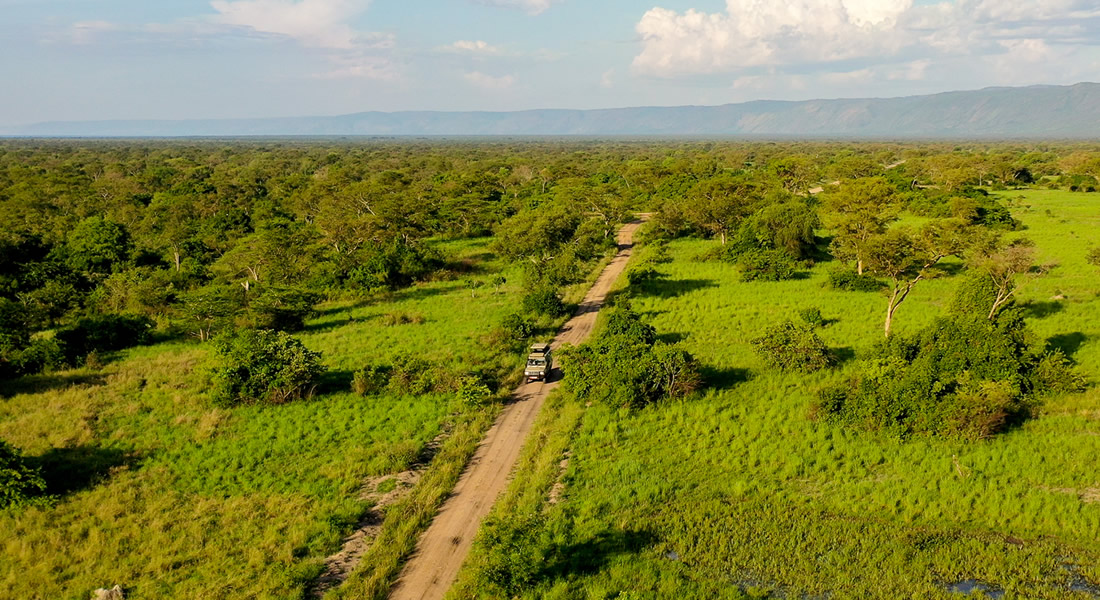
Location and Geographic Setting
Tooro – Semuliki Game Reserve is located in western Uganda within the Tooro sub region, specifically in the districts surrounding Bundibugyo and Ntoroko. It lies along the western arm of the Albertine Rift Valley, close to the border with the Democratic Republic of Congo and adjacent to Semuliki National Park.
The reserve occupies a low altitude area compared to most other Ugandan parks, which contributes to its tropical climate and dense rainforest vegetation. Its proximity to the Rwenzori Mountain ranges and Lake Albert further enhances its ecological diversity.
The landscape is shaped by the Semuliki River system, which drains into Lake Albert and supports extensive swamp and forest habitats. This riverine environment plays a crucial role in sustaining the reserve’s rich biodiversity.
Landscape and Tropical Rainforest Ecosystem
The defining feature of Tooro–Semuliki Game Reserve is its lowland tropical rainforest, one of the few of its kind in East Africa. This forest is part of the larger Congo Basin ecosystem, making it significantly different from Uganda’s Savannah dominated parks.
The vegetation is dense, evergreen, and highly diverse, with towering trees, thick undergrowth, and a complex canopy structure. The forest floor is humid and shaded, creating ideal conditions for primates, insects, and amphibians.
In addition to rainforest, the reserve contains swampy areas, riverine forests, and grassland patches. This mix of habitats supports a wide range of species and makes the reserve one of the most ecologically diverse regions in Uganda.
One of the most famous natural features in the reserve is the Semuliki Hot Springs, a geothermal phenomenon that attracts tourists and scientists alike. These hot springs are a result of underground geothermal activity linked to the East African Rift system.
Wildlife in Tooro – Semuliki Game Reserve
Tooro–Semuliki Game Reserve is renowned for its rich biodiversity, particularly its forest adapted species. The reserve is home to a variety of primates, including chimpanzees, black and white colobus monkeys, red tailed monkeys, and olive baboons. The dense forest provides ideal conditions for primate habitation and movement.
Chimpanzee tracking is one of the key attractions in the wider Semuliki ecosystem, although sightings can be challenging due to the thick vegetation. These primates offer tourists a rare opportunity to observe behaviour in a true tropical rainforest setting.
The reserve also hosts forest elephants, although they are elusive and rarely seen. Other mammals include buffaloes, duikers, bush pigs, and various small carnivores adapted to dense forest environments.
Birdlife is one of the strongest attractions in Tooro–Semuliki Game Reserve, making it a premier destination for bird watching in Uganda. The reserve is home to over 400 bird species, many of which are Central African rainforest species not found elsewhere in East Africa. Notable species include the African grey parrot, hornbills, turacos, and the rare shoebill stork in swampy areas.
Amphibians, reptiles, and insects are also highly diverse due to the humid climate, making the reserve an important site for ecological research.
Semuliki Hot Springs and Geothermal Features
One of the most iconic attractions in the reserve is the Semuliki Hot Springs, which are divided into male and female springs according to local tradition. These geothermal features are located within the forest and are accessible via guided trails.
The hot springs are characterised by boiling water emerging from the ground, surrounded by steam and mineral deposits. The temperature is high enough to cook eggs and other organic materials, demonstrating the intensity of underground geothermal activity.
The springs are not only a tourist attraction but also hold cultural and spiritual significance for local communities. They are considered sacred sites and are associated with traditional beliefs and rituals.
Safari Activities and Tourist Experiences
Tooro – Semuliki Game Reserve offers a variety of eco tourism activities centred on forest exploration and wildlife observation. Guided forest walks are one of the most popular activities, allowing tourists to navigate dense rainforest trails while learning about plant and animal life.
Bird watching safaris are highly rewarding due to the exceptional diversity of species. Early morning excursions provide the best chances of spotting rare forest birds and recording unique sightings for ornithologists.
Chimpanzee tracking is another key activity, offering tourists a chance to observe primates in their natural habitat. Although sightings are not always guaranteed, the experience of trekking through tropical rainforest adds significant value.
Visits to the Semuliki Hot Springs are a highlight for many tourists. Guided tours explain the geological formation of the springs, their cultural importance, and their role within the ecosystem.
Photography safaris are also popular due to the dramatic rainforest scenery, misty atmosphere, and unique wildlife encounters.
Conservation Importance and Ecological Value
Tooro – Semuliki Game Reserve plays a critical role in conserving Uganda’s lowland rainforest ecosystems. It forms part of the larger Albertine Rift biodiversity hotspot, which is one of the most species rich regions in Africa.
The reserve protects habitats that are increasingly rare in East Africa, particularly lowland tropical forests that connect to the Congo Basin. This makes it an important ecological bridge between Central and East African ecosystems.
Conservation efforts focus on protecting endangered species, maintaining forest integrity, and supporting scientific research. Anti poaching measures and habitat protection programmes are essential for preserving wildlife populations.
Community involvement is also a key aspect of conservation in the region. Local communities participate in eco tourism initiatives and benefit from tourism related income, helping to reduce pressure on natural resources.
Accessibility and Travel Routes
Tooro–Semuliki Game Reserve is accessible by road from Fort Portal, one of western Uganda’s main tourism hubs. The journey passes through scenic landscapes, including crater lakes, rolling hills, and rural settlements.
The reserve is often included in Uganda safari circuits that also feature Kibale Forest National Park, Queen Elizabeth National Park, and the Rwenzori Mountains. This makes it a key destination for tourists exploring western Uganda’s biodiversity corridor.
Due to forest conditions and remote terrain, guided tours are recommended for safe and informative exploration of the reserve.
Accommodation Options Near Tooro–Semuliki
Accommodation options near the reserve include lodges and guesthouses in Fort Portal, Bundibugyo, and surrounding areas. These facilities range from budget to mid range options, with some eco lodges offering more immersive rainforest experiences.
Many lodges provide guided safari packages that include forest walks, bird watching tours, and visits to hot springs. Accommodation is generally designed to blend with the natural environment and support eco tourism principles.
For tourists seeking deeper immersion, tented camps and nature lodges within the broader Semuliki ecosystem offer closer proximity to wildlife and forest experiences.
Best Time to Visit Tooro–Semuliki Game Reserve
The reserve can be visited throughout the year, but the best time is during the dry seasons from June to August and December to February. During these months, forest trails are more accessible and wildlife viewing conditions are improved.
The wet seasons bring lush vegetation and increased bird activity, making it ideal for bird watching enthusiasts. However, heavy rainfall can make some trails muddy and more challenging to navigate.
Cultural Experiences Around the Reserve
The Tooro region is rich in cultural heritage, with local communities that have lived in harmony with the forest environment for generations. Tourists can engage in cultural experiences such as traditional dances, storytelling, and visits to local villages.
These interactions provide insight into forest based livelihoods, traditional beliefs, and sustainable resource use practices. Cultural tourism also supports community development and conservation awareness.
Why Visit Tooro–Semuliki Game Reserve
Tooro – Semuliki Game Reserve is ideal for tourists seeking a unique Uganda safari experience focused on rainforest exploration, primates, and bird watching. Its lowland tropical forest environment sets it apart from most other safari destinations in East Africa.
The combination of biodiversity, geothermal features, and cultural richness makes it a highly rewarding destination for eco tourism and adventure travel.
Tooro–Semuliki Game Reserve is one of Uganda’s most ecologically significant and visually unique protected areas. Its rainforest ecosystems, diverse wildlife, and famous hot springs make it a standout destination within the country’s conservation network.
For tourists seeking an immersive and less commercialised safari experience, the reserve offers unmatched opportunities to explore Uganda’s tropical rainforest heritage. Whether trekking through dense forest, observing rare birds, or visiting geothermal springs, visitors are guaranteed a memorable encounter with one of Uganda’s natural treasures.