

Kigezi Wildlife Reserve is one of Uganda’s most scenic yet least crowded protected areas, located in the southwestern region of the country. Known for its rolling highlands, crater lakes, and proximity to some of Uganda’s most famous conservation areas, the reserve offers tourists a peaceful alternative for nature-based Uganda safaris. It is particularly valued for its bird watching opportunities, scenic landscapes, and its role in protecting the ecological integrity of the Kigezi highlands.
Although often overshadowed by nearby national parks, Kigezi Wildlife Reserve plays an important role in biodiversity conservation and forms part of a wider network of protected landscapes in southwestern Uganda.
Location and Geographic Setting
Kigezi Wildlife Reserve is located in the Kigezi region of southwestern Uganda, an area characterised by steep hills, volcanic formations, and fertile valleys. The reserve lies within a broader ecological zone that connects to major conservation areas such as Queen Elizabeth National Park and Bwindi Impenetrable Forest, making it an important ecological corridor.
The landscape is dominated by high altitude terrain, with elevations that create cooler temperatures compared to much of Uganda. This gives the reserve a distinct climatic and ecological identity, supporting both montane and Savannah-type vegetation.
The surrounding districts are known for their agricultural terraces and scenic beauty, often referred to as the “Switzerland of Africa” due to their dramatic landscapes. This makes the journey to Kigezi Wildlife Reserve itself a memorable part of the safari experience for tourists.
Landscape and Natural Environment
The landscape of Kigezi Wildlife Reserve is defined by a mix of open grasslands, rolling hills, woodland patches, and crater lake systems. These features are the result of ancient volcanic activity that shaped much of southwestern Uganda.
One of the most striking aspects of the reserve is its panoramic scenery. From elevated viewpoints, tourists can observe sweeping valleys, mist-covered hills, and distant forested regions. The combination of altitude and vegetation creates a unique ecological environment that supports diverse plant and animal life.
The soils in the region are generally fertile, supporting both natural vegetation and surrounding agricultural communities. Seasonal rainfall patterns contribute to lush greenery during wet months and clearer visibility during dry periods, making the reserve visually dynamic throughout the year.
Wildlife in Kigezi Wildlife Reserve
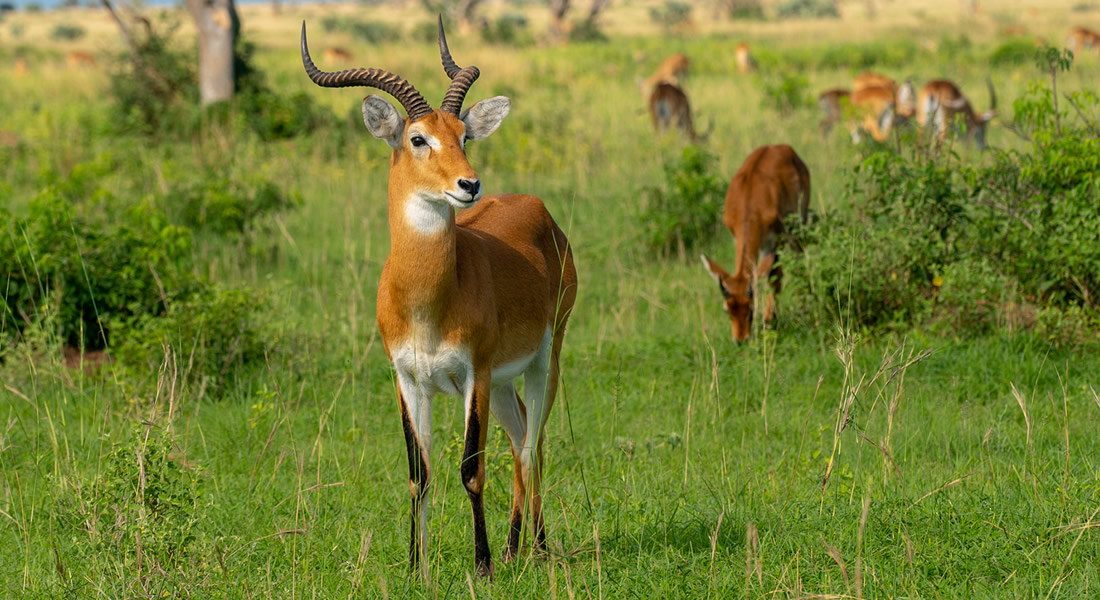
Wildlife in Kigezi Wildlife Reserve is less dense compared to Uganda’s major Savannah parks, but the reserve still supports a variety of mammals and smaller species adapted to highland environments. Common wildlife includes bushbuck, duiker species, warthogs, and occasionally primates such as vervet monkeys and black and white colobus monkeys in forested patches.
Due to its proximity to larger protected ecosystems, some larger mammals may occasionally move through the area, although sightings are not guaranteed. The reserve functions more as a transitional habitat and ecological buffer zone than a high-density game viewing destination.
Birdlife, however, is one of the strongest attractions of Kigezi Wildlife Reserve. The highland environment supports a wide range of bird species, including African green broadbill, Rwenzori turaco, crowned hornbill, and various sunbirds. Wetland areas and crater lakes further enhance bird diversity, making it an important destination for bird watching in Uganda.
Bird Watching and Eco Tourism Activities
Kigezi Wildlife Reserve is a growing destination for bird watching safaris and eco tourism experiences. The combination of highland forests, wetlands, and open grasslands provides ideal conditions for both resident and migratory bird species.
Guided bird watching tours are typically conducted early in the morning when bird activity is at its peak. Tourists can explore forest edges, crater lake shores, and hillside trails while observing rare and colourful species. The presence of Albertine Rift endemics makes the reserve particularly attractive to serious birders.
Nature walks are another popular activity, offering tourists the opportunity to explore the landscape on foot. These walks provide insight into plant ecology, insect life, and the broader environmental systems that sustain the region. Local guides often share knowledge about traditional uses of plants and the cultural significance of the landscape.
Photography is also a key activity in Kigezi Wildlife Reserve due to its dramatic scenery. The combination of rolling hills, crater lakes, and misty valleys creates ideal conditions for landscape photography, especially during early morning and late afternoon light.
Conservation Importance and Ecological Role
Kigezi Wildlife Reserve plays an important role in conservation within southwestern Uganda. It helps protect highland ecosystems that are increasingly under pressure from agriculture, population growth, and land use changes.
The reserve contributes to maintaining ecological connectivity between major protected areas such as Queen Elizabeth National Park and forest ecosystems in the Albertine Rift. This connectivity is essential for wildlife movement and genetic diversity across the region.
Conservation efforts within the reserve focus on habitat protection, sustainable land use, and community engagement. Protecting the highland environment is particularly important due to its role in water catchment systems that supply surrounding communities and ecosystems.
Local community involvement is also central to conservation strategies. Residents participate in eco tourism initiatives and environmental education programmes, which help reduce pressure on natural resources while supporting livelihoods.
Accessibility and Travel Routes
Kigezi Wildlife Reserve is accessible by road from major towns in southwestern Uganda. The journey typically passes through scenic highland landscapes, agricultural terraces, and rural settlements, offering tourists a visually rich travel experience.
The reserve can be included in broader Uganda safari circuits that feature destinations such as Bwindi Impenetrable Forest, Queen Elizabeth National Park, and Lake Bunyonyi. This makes it a convenient addition for tourists interested in combining wildlife viewing with scenic and cultural experiences.
Although infrastructure within the reserve is relatively limited, guided tours are available through licensed operators who specialise in eco tourism and bird watching safaris.
Accommodation Options in and Around Kigezi
Accommodation near Kigezi Wildlife Reserve ranges from budget guesthouses to mid range eco lodges located in nearby towns and scenic highland areas. Many of these facilities are designed to blend with the natural environment, offering comfortable stays with views of hills and valleys.
Tourists often choose lodges that provide access to guided tours within the reserve and surrounding attractions. These accommodations typically feature local cuisine, warm hospitality, and opportunities for cultural interaction.
For more immersive experiences, some eco lodges offer camping options, allowing tourists to stay closer to nature and enjoy the peaceful atmosphere of the highlands.
Best Time to Visit Kigezi Wildlife Reserve
The best time to visit Kigezi Wildlife Reserve is during the dry seasons, typically from June to August and December to February. During these months, trails are more accessible, and visibility is improved for wildlife viewing and photography.
The wet seasons, from March to May and September to November, bring lush vegetation and excellent bird watching opportunities. Migratory birds are more common during this period, and the landscape becomes especially vibrant and green.
Due to the high altitude, temperatures in the reserve remain relatively cool throughout the year, making it a comfortable destination regardless of season.
Cultural Experiences in the Kigezi Region
The Kigezi region is rich in cultural heritage, with communities known for their terraced farming systems, traditional music, and vibrant local customs. Tourists visiting Kigezi Wildlife Reserve can also engage in cultural experiences such as village walks, craft demonstrations, and storytelling sessions.
These cultural interactions provide valuable insight into how local communities adapt to highland environments and coexist with nature. They also support community based tourism initiatives that contribute to sustainable development.
Why Visit Kigezi Wildlife Reserve
Kigezi Wildlife Reserve is ideal for tourists seeking a peaceful, scenic, and less commercialised Uganda safari experience. While it may not offer large predator sightings, it compensates with breathtaking landscapes, rich birdlife, and cultural depth.
Its role as a conservation area and ecological corridor adds further value, making it an important destination for eco tourism in Uganda. For travellers interested in bird watching, landscape photography, and cultural exploration, the reserve offers a unique and rewarding experience.
Kigezi Wildlife Reserve stands out as one of Uganda’s hidden natural treasures. Its highland scenery, biodiversity, and conservation significance make it a valuable part of the country’s protected area network.
For tourists exploring Uganda’s safari destinations, Kigezi offers a different kind of experience, one focused on tranquillity, scenery, and ecological discovery rather than large game viewing. Whether hiking its rolling hills, observing rare birds, or engaging with local communities, visitors are treated to an authentic and enriching encounter with southwestern Uganda’s natural beauty.